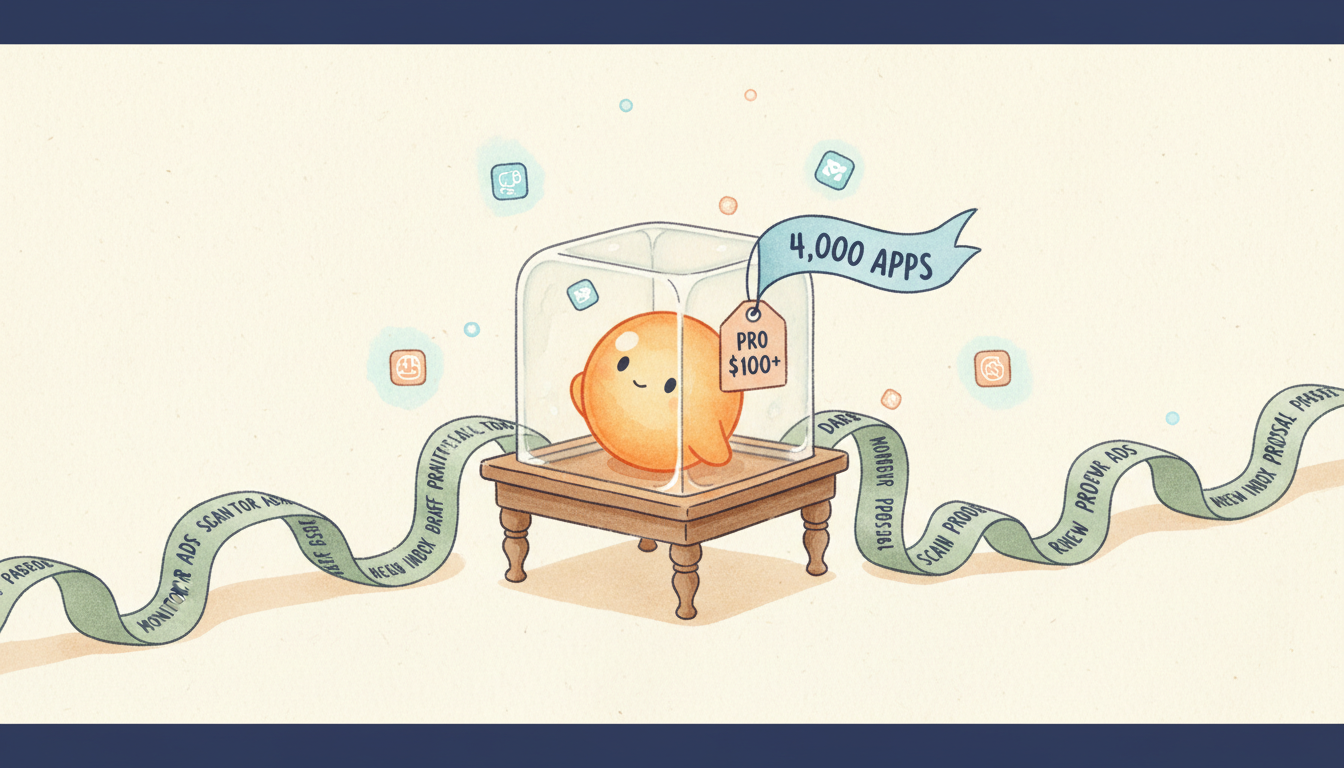
Dots launched at DevDay on Sept 29 2026 as OpenAI's answer to Meta Muse — a persistent, GPT-6 Astra-powered agent with its own cloud computer. Here's the first-week practitioner read: the 5 marketing jobs I'd hand it, the 3 I wouldn't, and where it sits against the Claude/Gemini/Muse agents already in my stack.
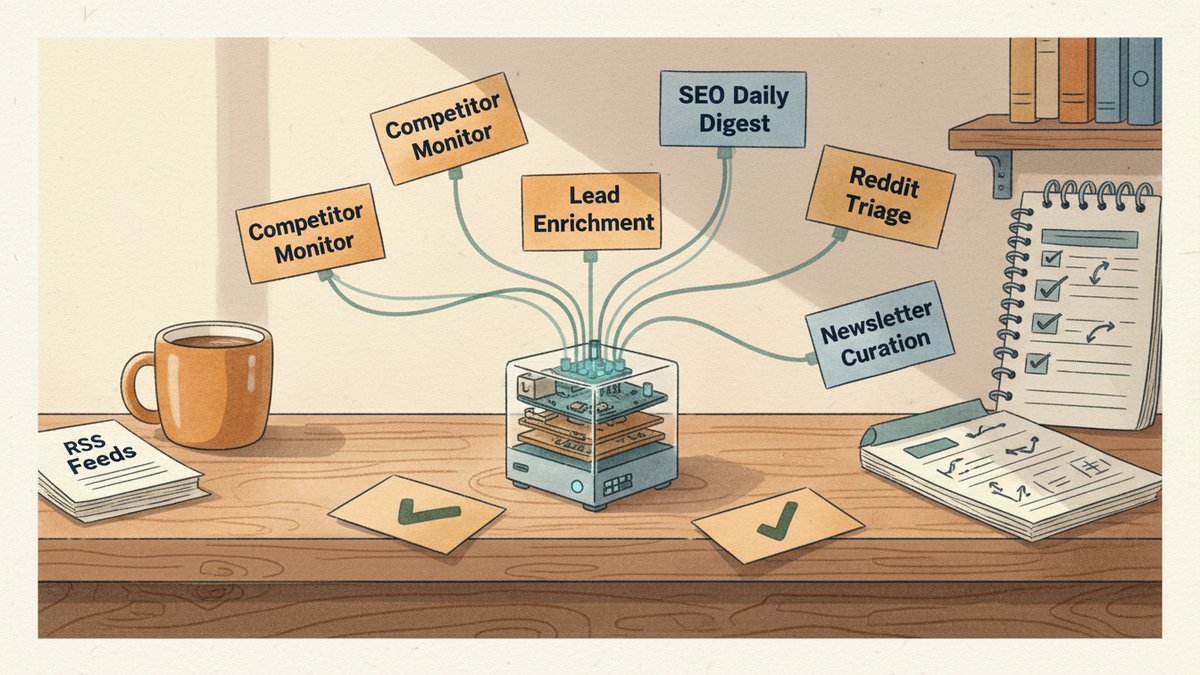
Thirteen days after the early-read on Meta's Muse Agent, the Connect 2026 keynote landed and changed the rules mid-experiment. Here is the honest 2-week diary: 3 jobs that are now permanent in my daily workflow, 2 places where Muse Agent fell short this week, and 2 watch-items for the next 30 days as Meta distributes from US-only to glasses, Mac, and the rest of the planet.
On August 15, Pliny the Liberator pushed 391,439 characters of Z.ai's ZCode agent internals to CL4R1T4S. Marketers don't care about the leak — they care about what it proves about vendor risk, skill portability, and data hygiene. Here's the 3 shifts and 2 watch-items that fall out.
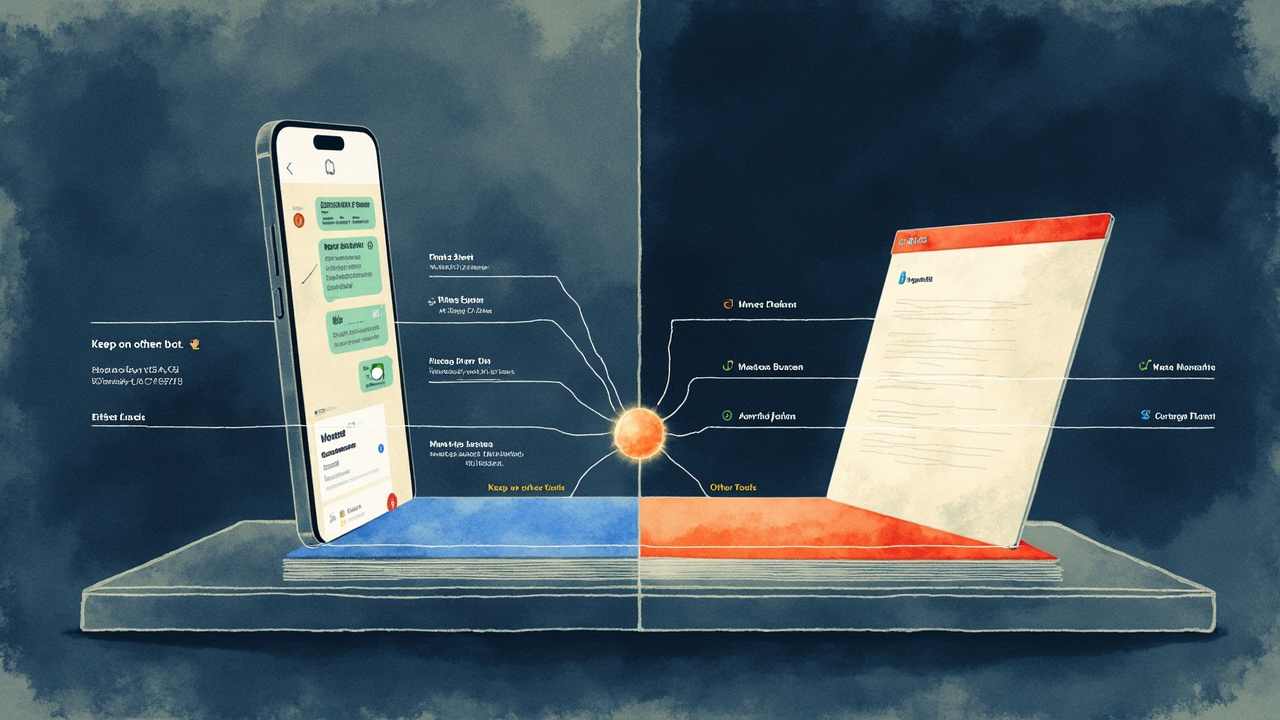
Meta launched Muse Agent on September 8, 2026 — a personal AI agent that lives inside WhatsApp, Instagram DM, and the Meta AI glasses, and runs in a dedicated 'Secure VM' on top of the Muse Spark model. Marketers didn't get a launch deck; they got a new default inside the surfaces they already pay to reach customers on. Here's the routing principle for which marketing jobs to give it, which to keep on other tools, and what to watch this quarter.
OpenClaw is the open-source local AI agent that replaces $310/month of SaaS for $12. Here's the give/don't-give framework from six months of running it.
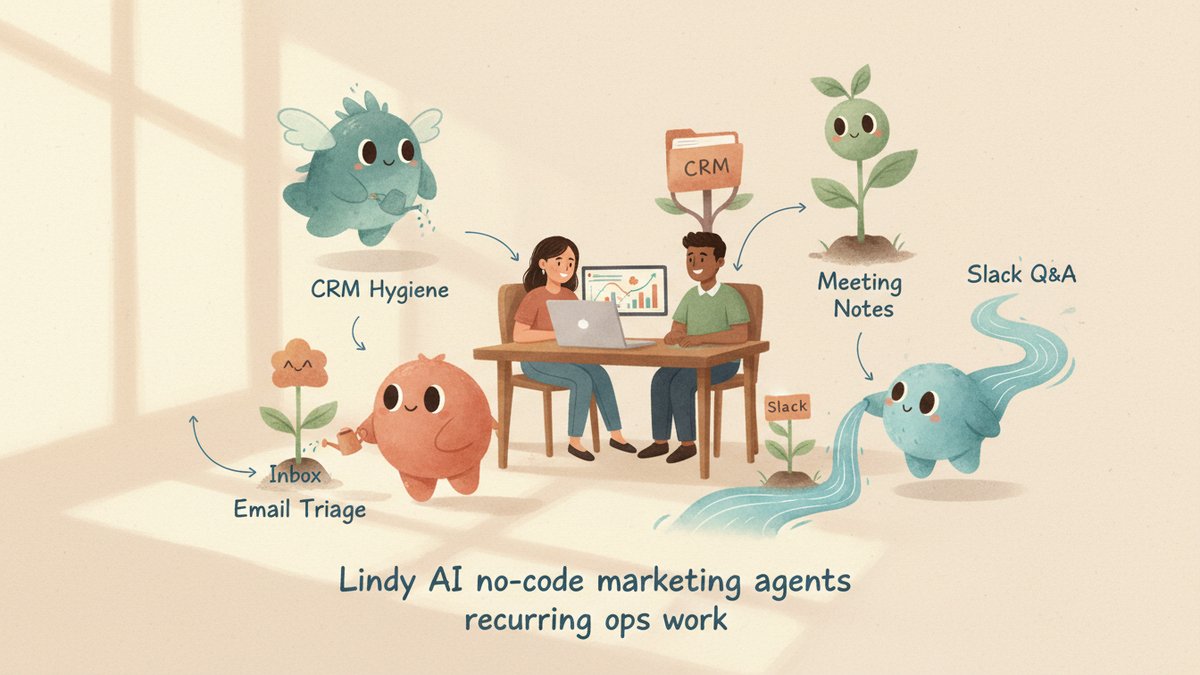
Lindy is a no-code agent builder with 100+ native integrations, Gmail/HubSpot/Salesforce connectors, browser automation on Pro, and a deep marketing-template library (SDR, meeting notes, webinar coord, SEO, Slack). From $49.99/mo — no free tier.
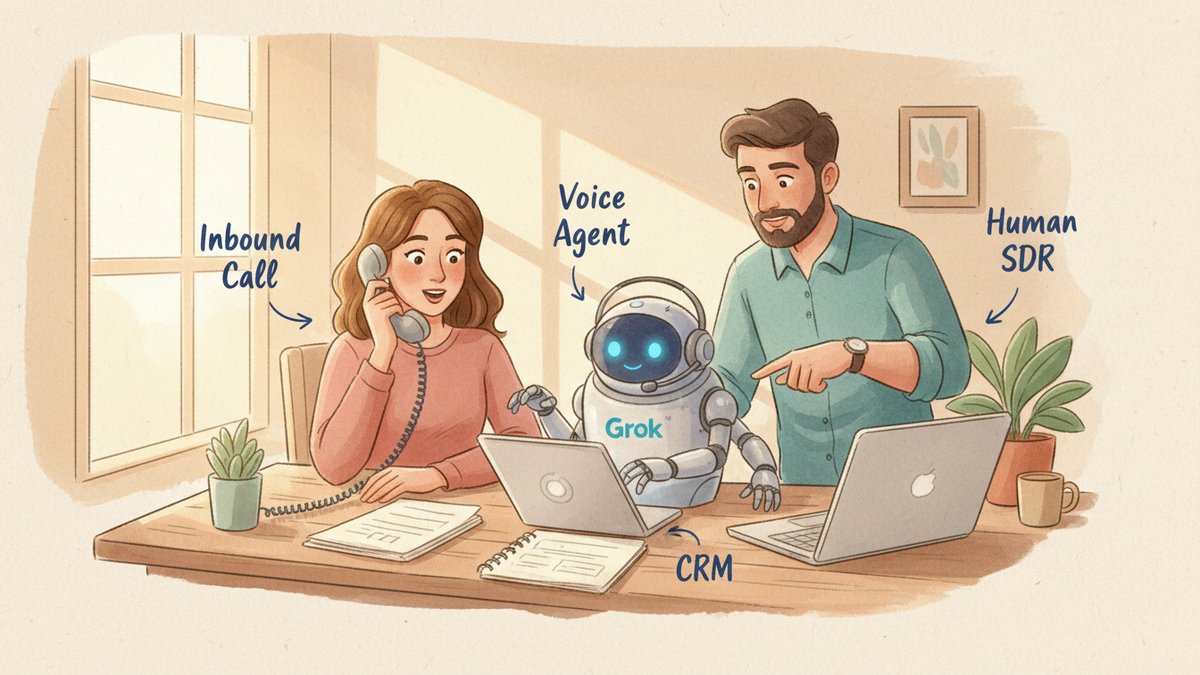
xAI's Grok Voice Agent is a real-time WebSocket API with full-duplex audio, 100+ languages, and ~$0.05 per minute — built for marketers who want to automate the boring half of phone work without burning out their SDR team.
ChatGPT Work is an agent, not a smarter chatbot — you give it a goal and it works for hours, then hands back a finished deliverable. Here's the honest split for a marketing team, two days in.
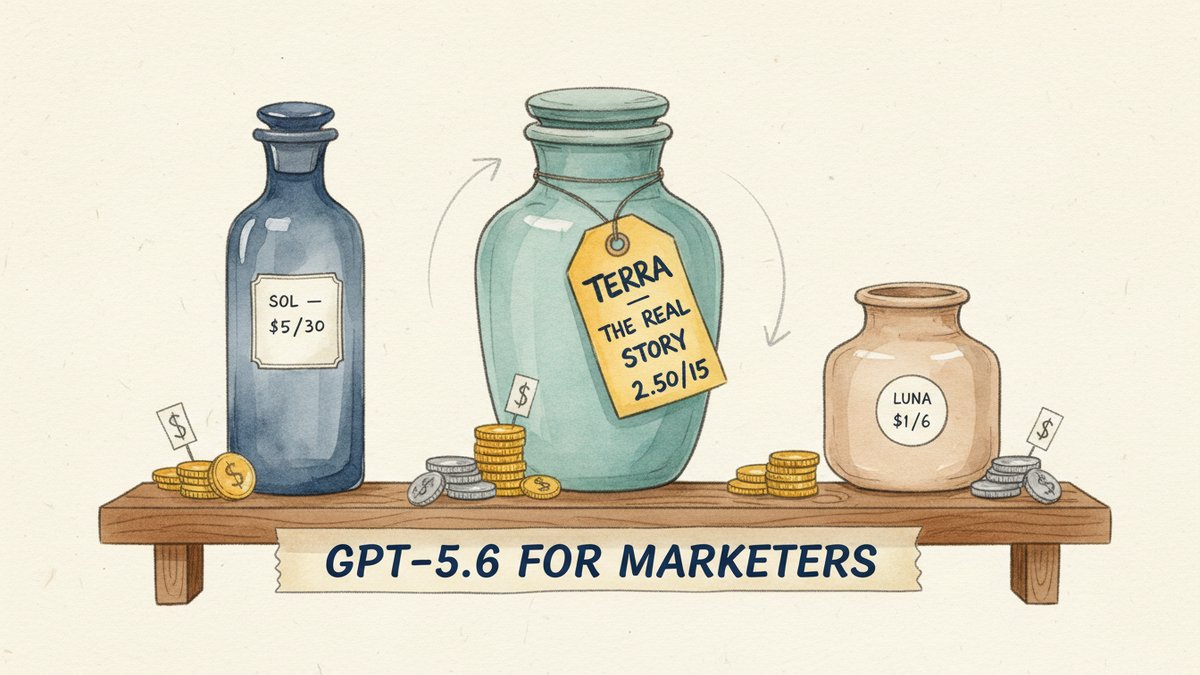
OpenAI shipped GPT-5.6 in three flavors (Sol, Terra, Luna) on June 26, 2026 — but only to a small invitee list, pending US government review. Here's the practitioner's read: what the 1.5M context window actually unlocks for marketers, the pricing reality (Terra is the real story, not Sol), and the four workflows I'll route to it the day it opens up.