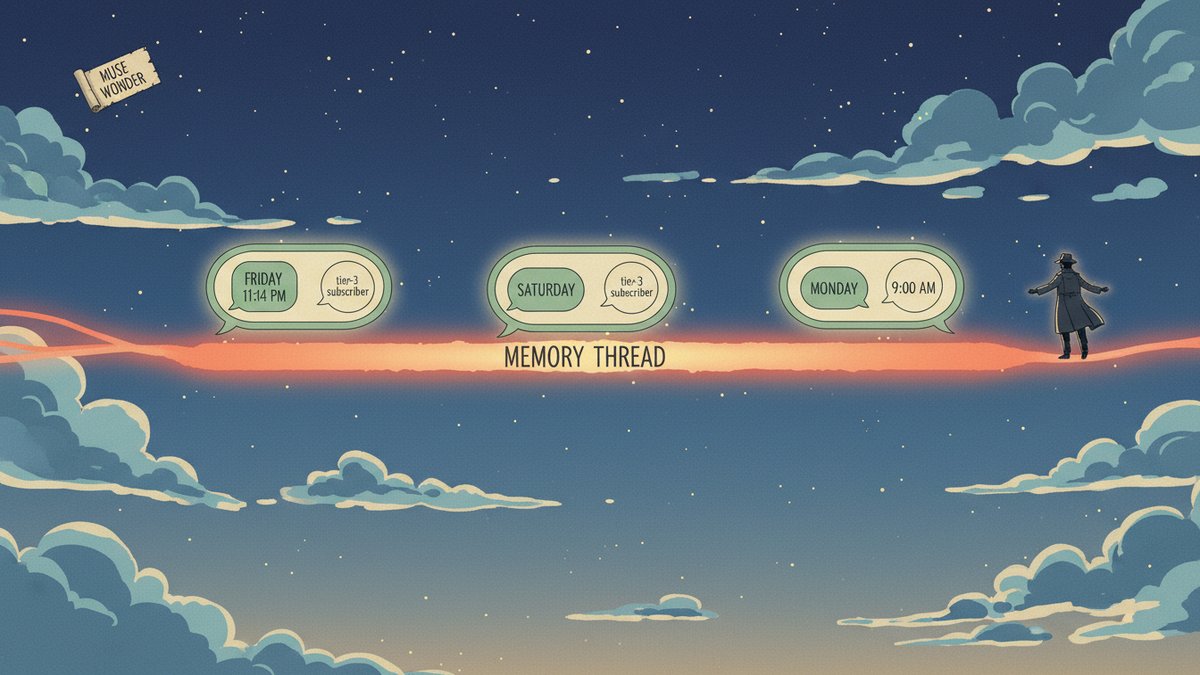
Two days after Meta shipped its first frontier-class models on October 12 — Muse Wonder and the gated Muse Wonder Full — most coverage read the benchmark numbers. The marketer-relevant line is what Meta is calling Active Memory: persistent context carried across conversations. If you read my Muse Agent post three weeks ago, you already know the agent that lives in your WhatsApp inbox. The model underneath it is now frontier-class, and it remembers. Here's the routing principle for which marketing jobs to hand to a frontier model with memory, and which to keep on the tools you trust today.
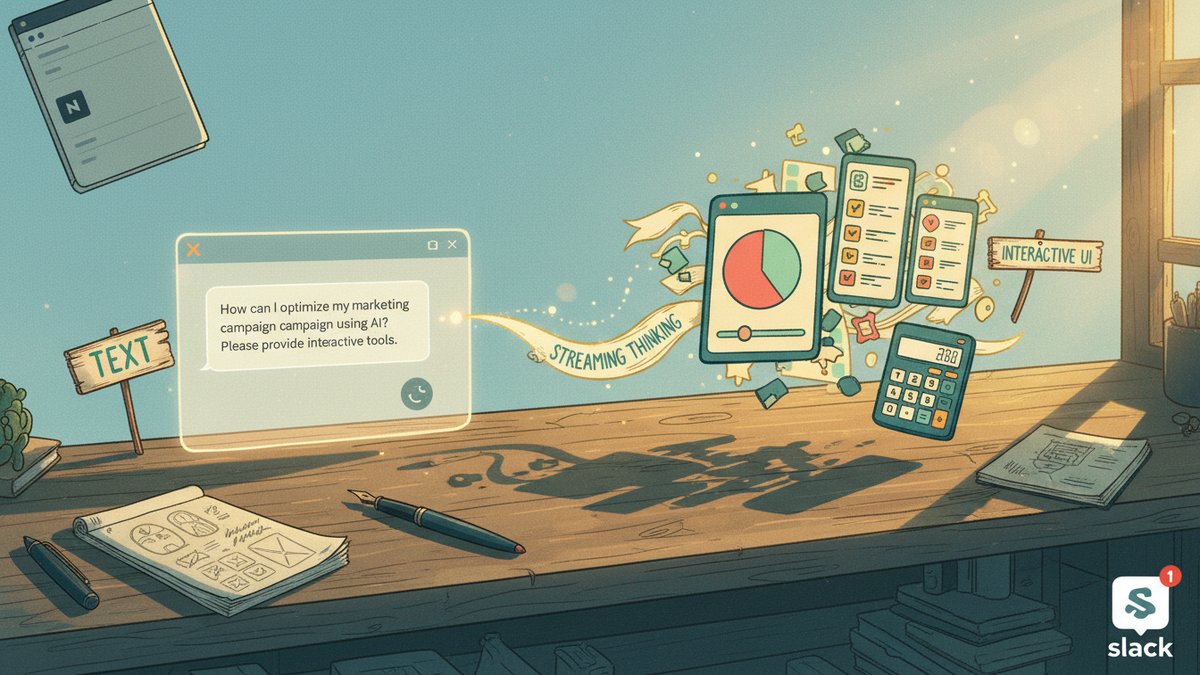
OpenAI rolled GPT-6 + Intelligent UI to all ChatGPT tiers on Oct 7-8, 2026. A working marketer's first-week take on the new interactive surface — 5 jobs it earns today, 3 to keep on plain text, and the new 'build the tool, don't describe it' rule that falls out.
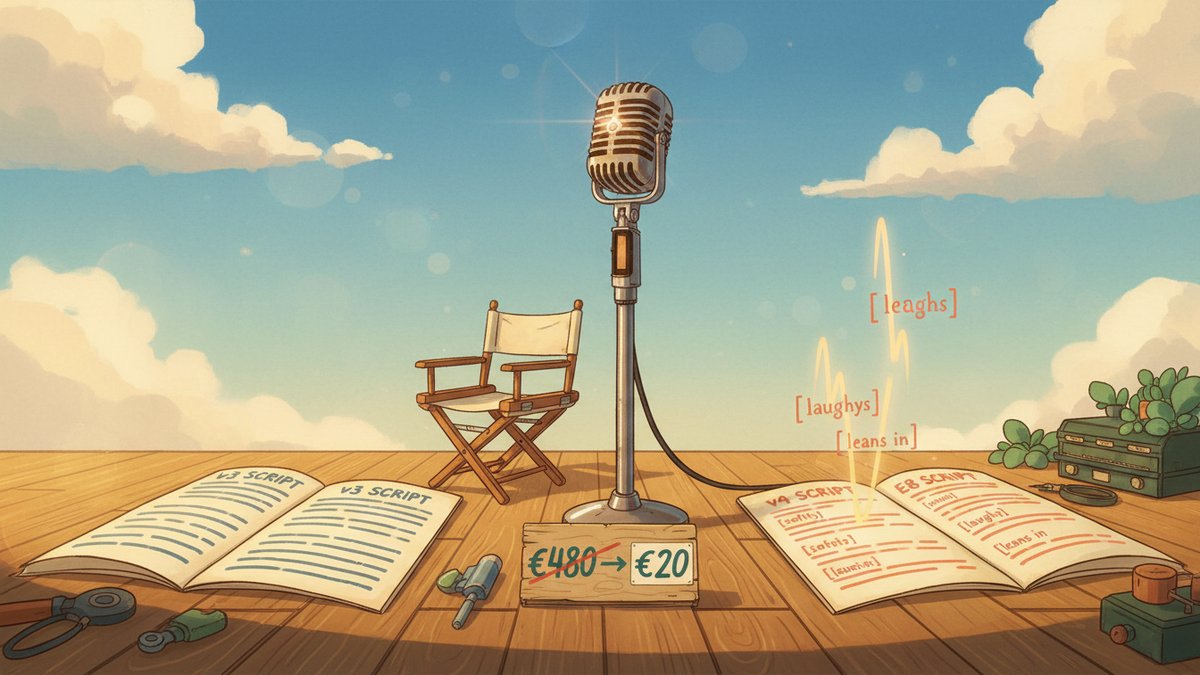
ElevenLabs shipped Eleven v4 and Eleven v4 Turbo on September 28, 2026. The upgrade that matters for marketers isn't the headline 90-language number — it's that v4 finally reads inline direction tags like a voice actor and decouples timbre from accent. Here's the practitioner take on what changes for ad narration, podcast dubbing, and voice agents, and the three jobs to give v4 today.
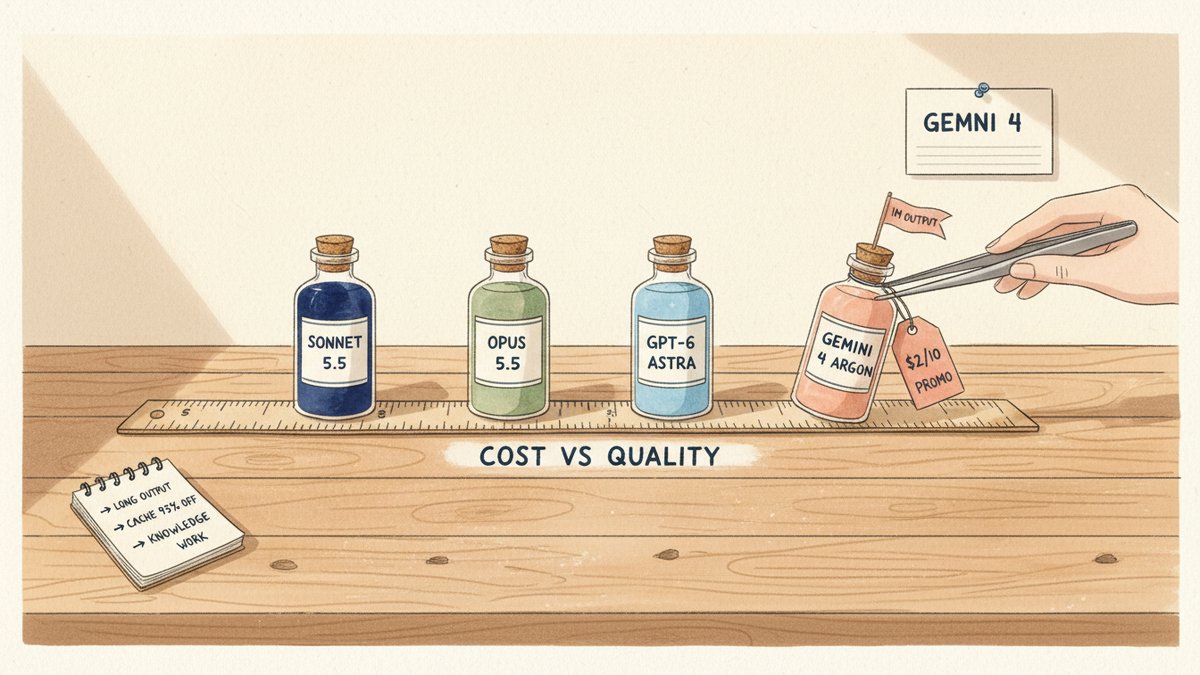
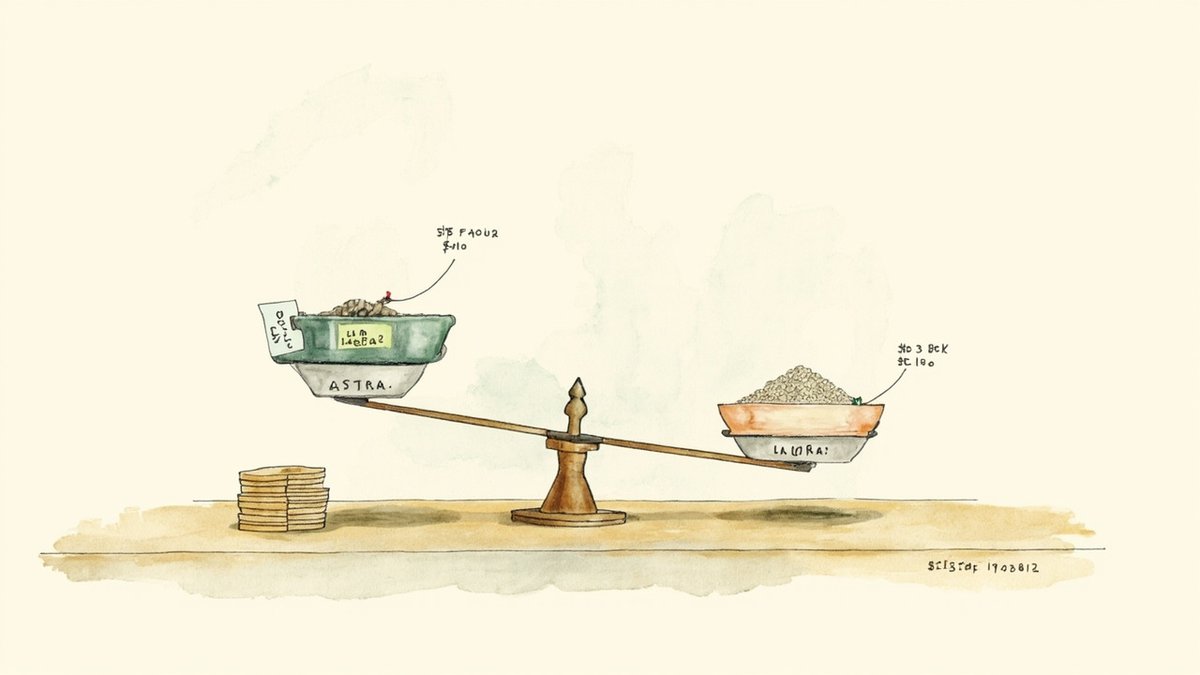
Gemini 4 Argon is the first model in Google's Gemini 4 family — and the first with a chemical-element codename that became the public name. A practitioner take on where it sits against Sonnet 5.5, Opus 5.5, and GPT-6 Astra on the cost-vs-quality axis, and which marketing jobs belong on it today.
Microsoft rebuilt Copilot around Home, Code, and Autopilot on September 25, 2026. Autopilot is a persistent, cloud-hosted agent that lives inside your Microsoft 365 tenant — here's what it actually does for marketers today, where it falls short, and how it sits next to Muse Agent, ChatGPT Work, and Gemini in Workspace.
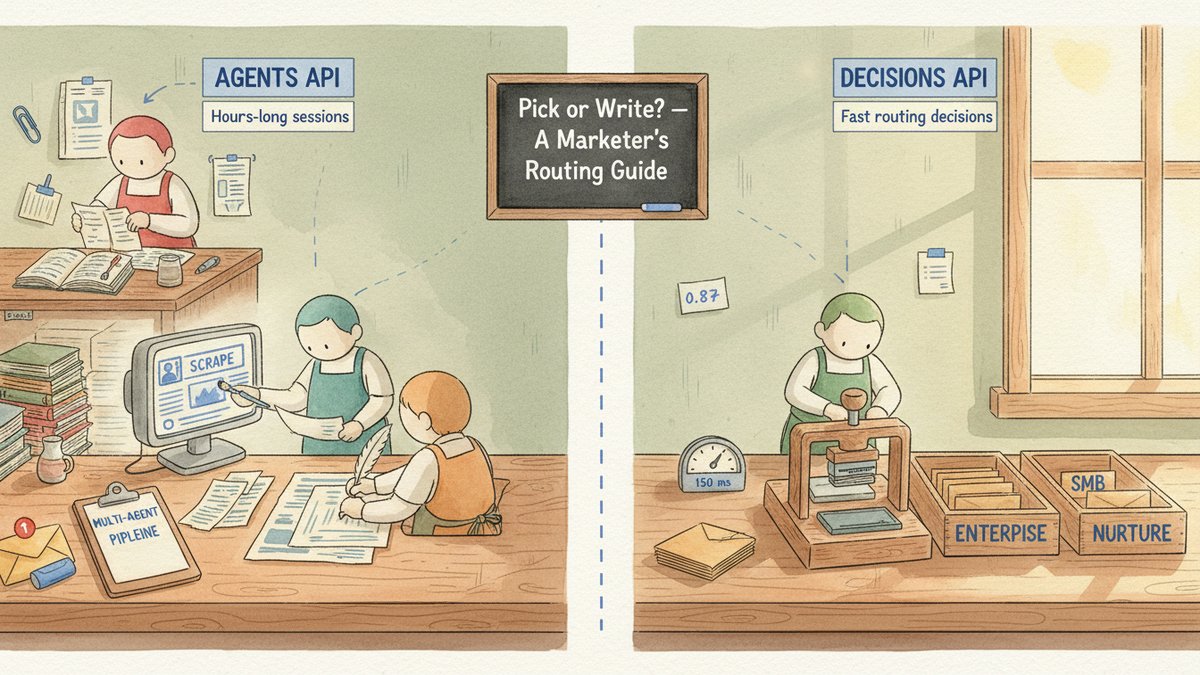
Two OpenAI APIs shipped three weeks apart solve very different problems. A marketer's read on what each one actually does, where each one earns a slot in a real automation stack, and the routing principle that picks between them.
Dots launched at DevDay on Sept 29 2026 as OpenAI's answer to Meta Muse — a persistent, GPT-6 Astra-powered agent with its own cloud computer. Here's the first-week practitioner read: the 5 marketing jobs I'd hand it, the 3 I wouldn't, and where it sits against the Claude/Gemini/Muse agents already in my stack.
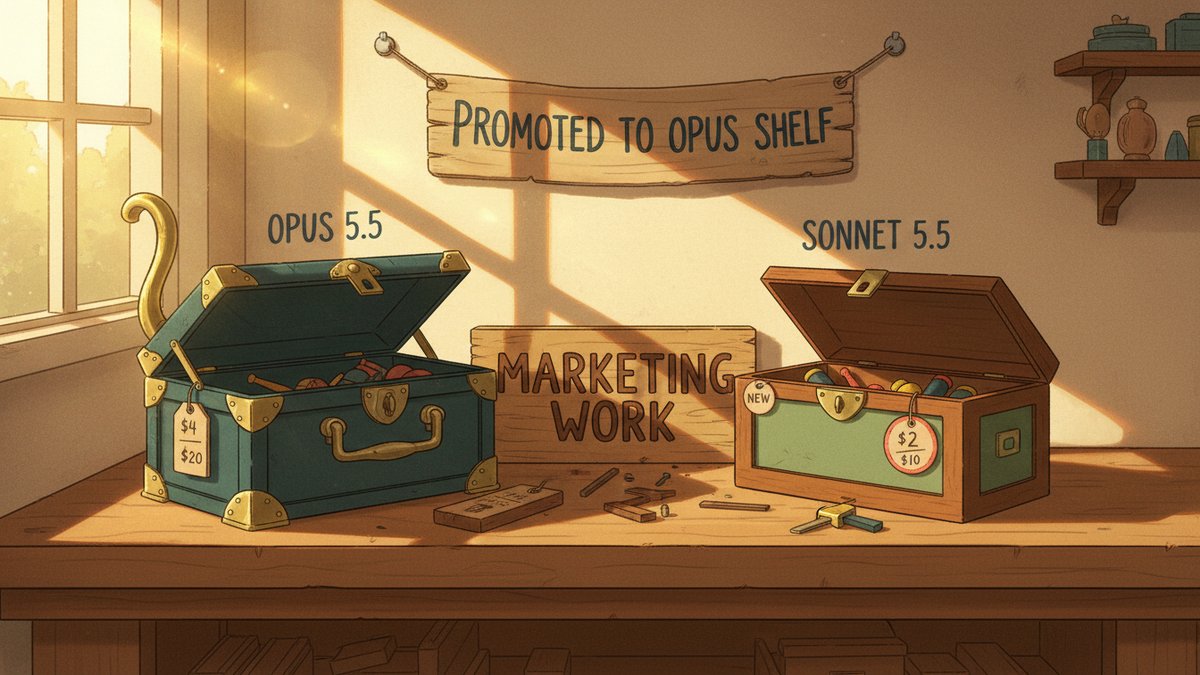
Anthropic shipped Sonnet 5.5 on September 28, 2026 — same $2/$10 as Sonnet 5, same 1M context, 30%+ faster, up to 30% cheaper per task, and on GDPval-AA it sits two Elo points under Opus 5.5. Five jobs Sonnet 5.5 already replaced in its first day on real marketing work, three where Opus 5.5 or Sonnet 5 still wins, and the routing principle that matters now that the Sonnet tier can carry real marketing work.
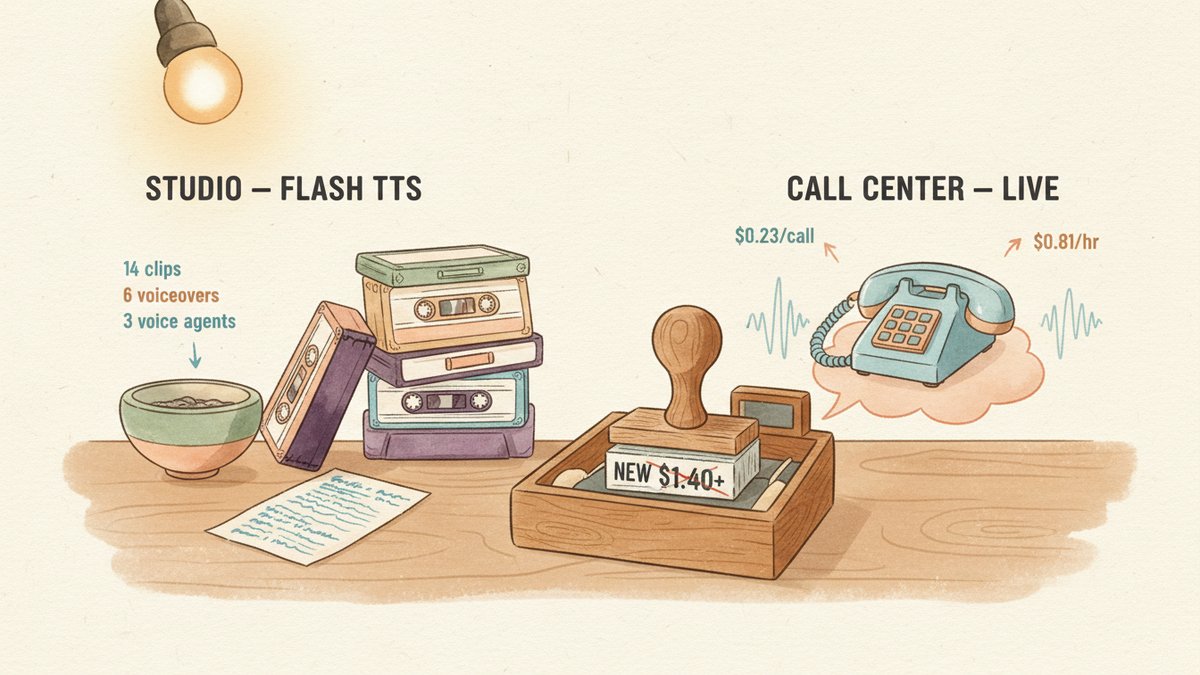
Google shipped Gemini 3.8 Live on September 15 and Gemini 3.8 Flash TTS on September 23, 2026 — together, they rewrite the cost curve for marketing audio. A 10-minute Live voice call runs about $0.23; an hour of Flash TTS voiceover runs about $0.81. A week in production: 14 podcast clips, 6 ad voiceovers, 3 landing-page voice agents, and a brand-voice NotebookLM Audio Overview for $1.40 total. Five jobs the combo earns in a marketer's stack, three to keep elsewhere, and one routing principle that holds.
Anthropic shipped Opus 5.5 on September 22, 2026 — same 1M context as [Opus 5](/posts/claude-opus-5-marketers/) and [Fable 5.1](/posts/claude-fable-5-1-marketers/), but $4/$20 instead of $5/$25, cache reads cut 60% to $0.20, and a writing-style fix that actually lands. The number that matters for marketers isn't a benchmark — it's that 60% cache-read cut. Four jobs Opus 5.5 earns from Opus 5 this week, three where Fable 5.1 or Opus 5 still wins, one routing principle that holds, and the four breaking API changes you need to patch before Monday.
OpenAI shipped GPT-6 Sol and GPT-6 Luna on September 22, 2026 — three weeks after GPT-6 Astra, at half the per-token price of GPT-5.6 Sol and Luna. Sol ($2/$10) is the workhorse, Luna ($0.10/$0.50) is the budget engine, and Terra is gone. Five jobs to give Sol, three to keep on Astra or peers, and the routing principle that falls out once you stop chasing the flagship.
Thirteen days after the early-read on Meta's Muse Agent, the Connect 2026 keynote landed and changed the rules mid-experiment. Here is the honest 2-week diary: 3 jobs that are now permanent in my daily workflow, 2 places where Muse Agent fell short this week, and 2 watch-items for the next 30 days as Meta distributes from US-only to glasses, Mac, and the rest of the planet.