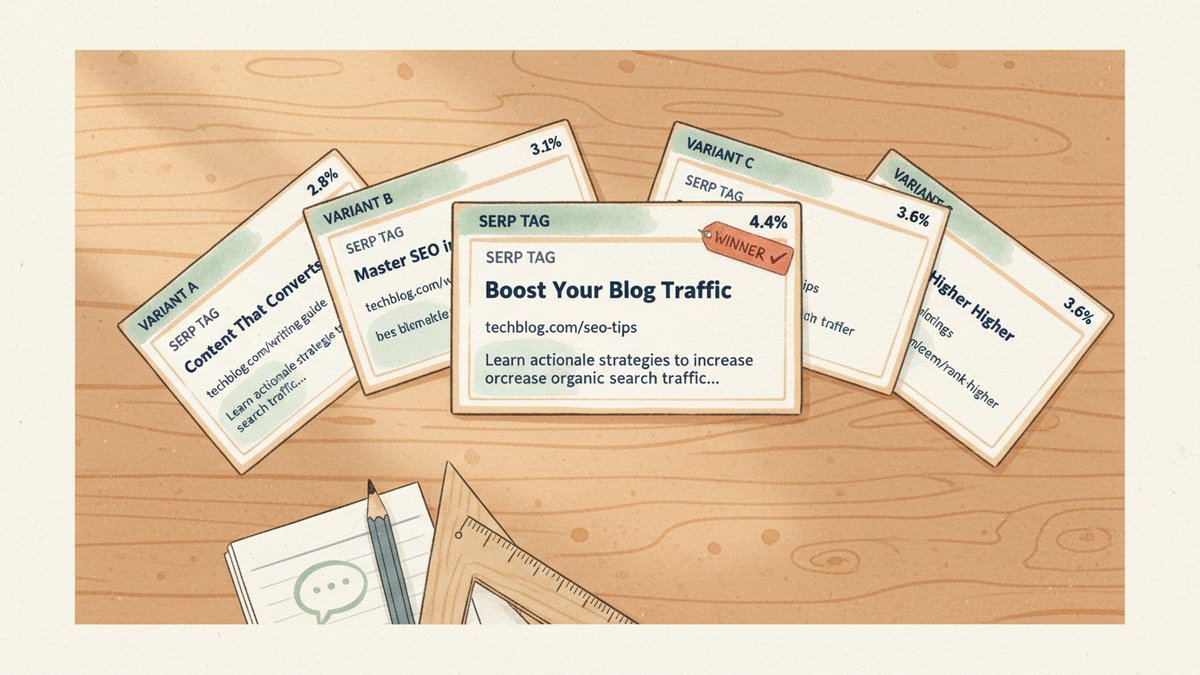
A 3-step workflow to generate a pack of meta title variants with ChatGPT, score them against CTR predictors, and ship the winner through a clean AB test.
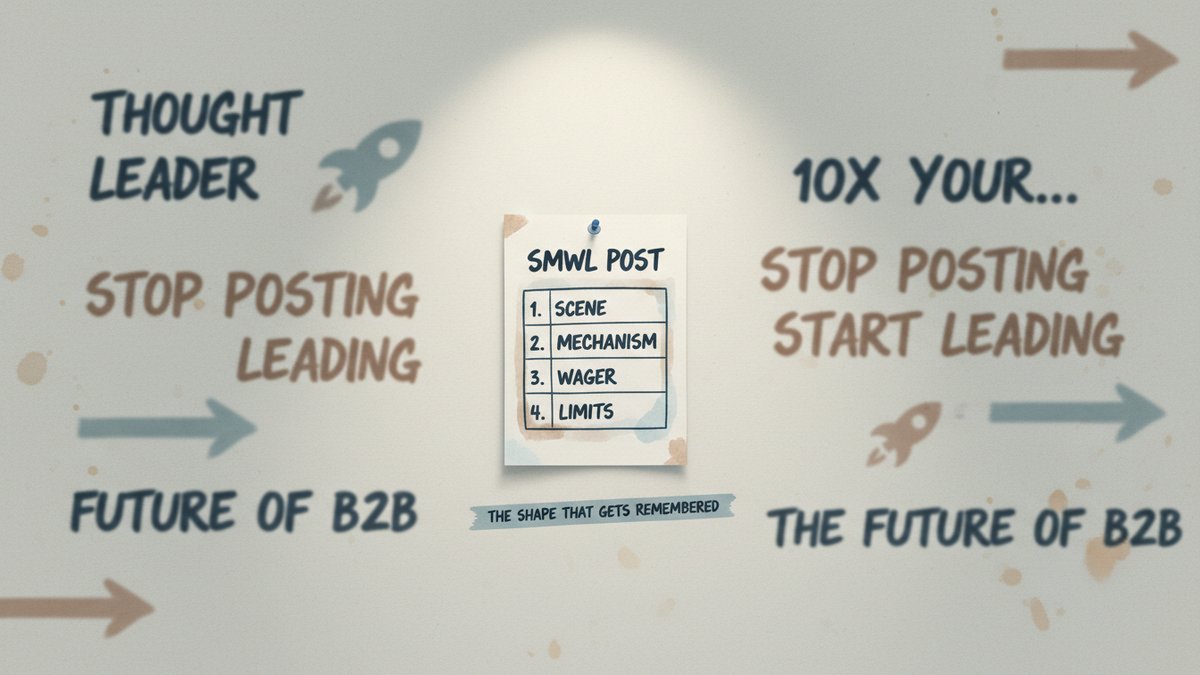
A four-move structure (Scene, Mechanism, Wager, Limits) that separates a thought-leadership post engineered to be remembered from one engineered to be liked — and a self-test for catching the slop in your own drafts.
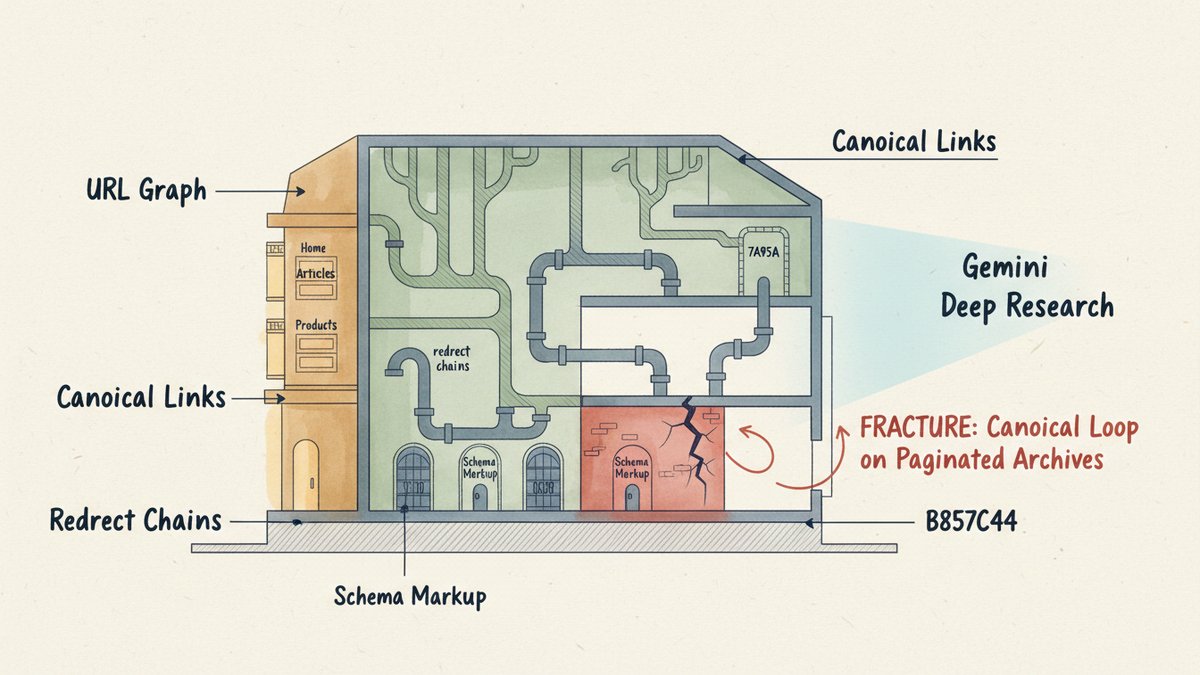
Gemini Deep Research's 1M+ token context and multi-step browsing make it a different beast for technical SEO audits. Here's the 3-step workflow I use, the prompts that actually return useful output, and the limits you should know about.
A 6-stage workflow that takes a 30-page B2B lead-gen whitepaper from blank doc to gated PDF in 2–3 days. Where Claude Opus 4.6 does the work, where NotebookLM does the work, and 5 traps that will waste your time if you skip them.
Google's second E in E-E-A-T is not a softer version of expertise — it is the deciding factor in 2025. A practical look at why credential-stacking no longer moves rankings, and what actually does.
The exact workflow I use to turn a raw customer interview into a published case study — transcription, extraction, draft, and quote verification — with AI doing the heavy lifting.
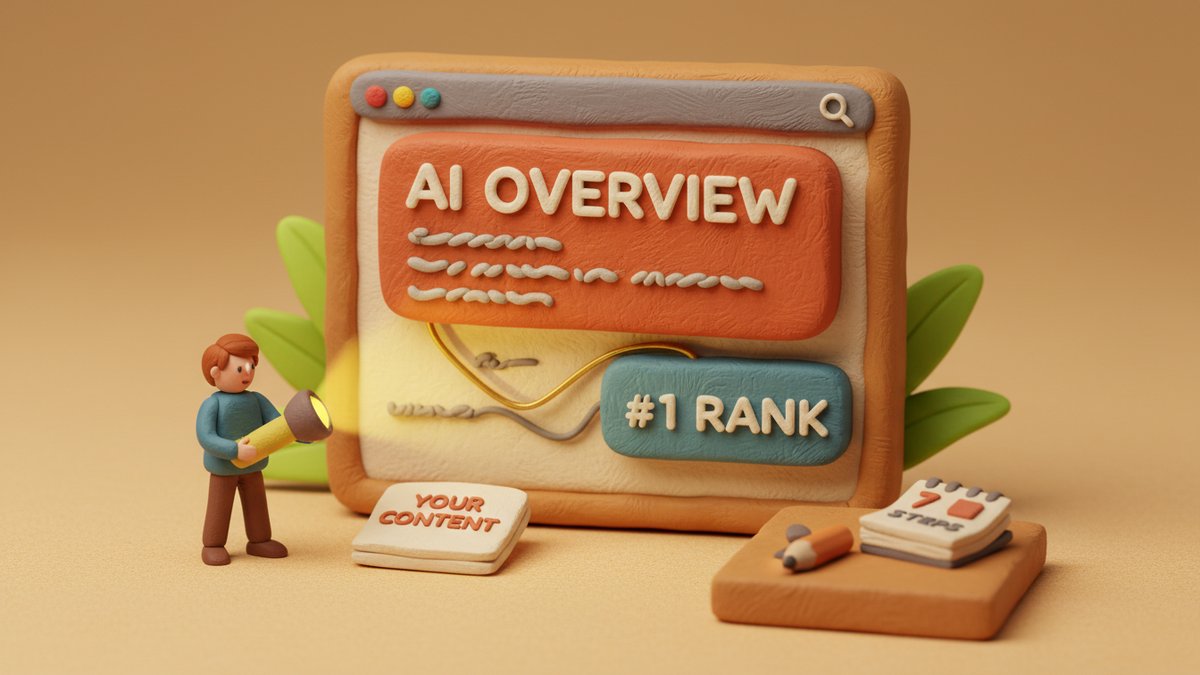
Google AI Overviews now appear in roughly 15% of searches and serve 1.5 billion users monthly — eating clicks from #1 rankings. Here's a 7-step playbook to get cited, not just ranked, in 2025.
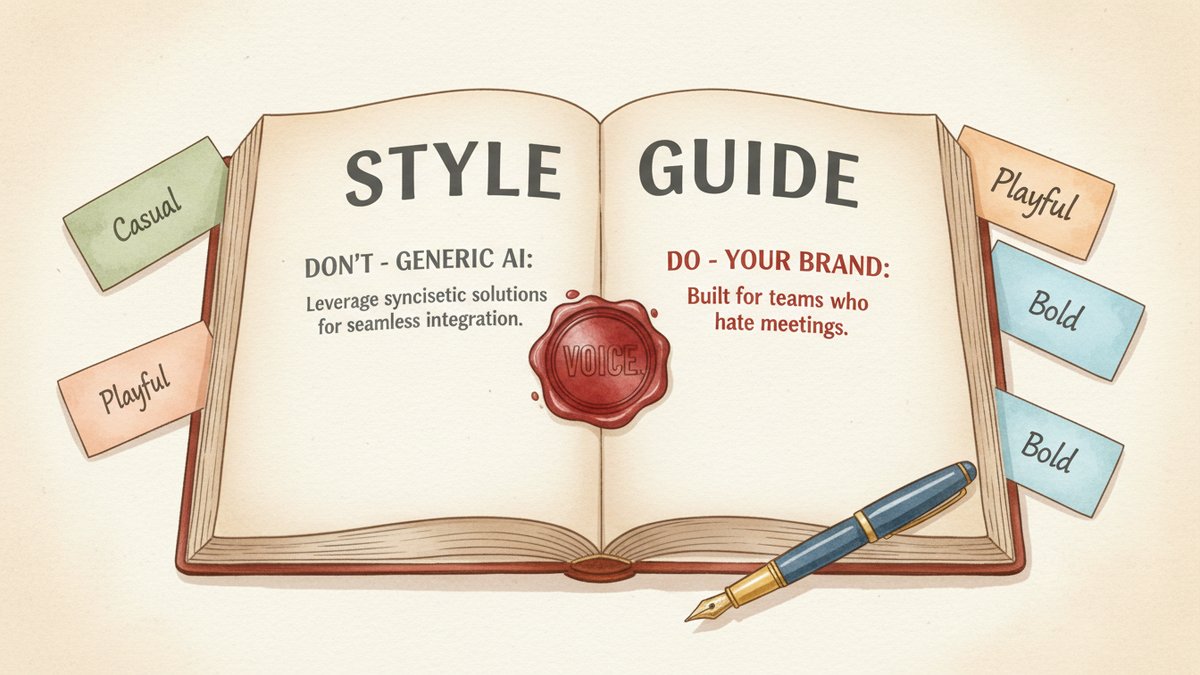
AI outputs all sound the same by default. A proper AI style guide — with voice dimensions, do/don't examples, and custom instructions — is how you make ChatGPT, Claude, and Gemini actually sound like you. Here's the exact 5-part template and workflow I use with every client.
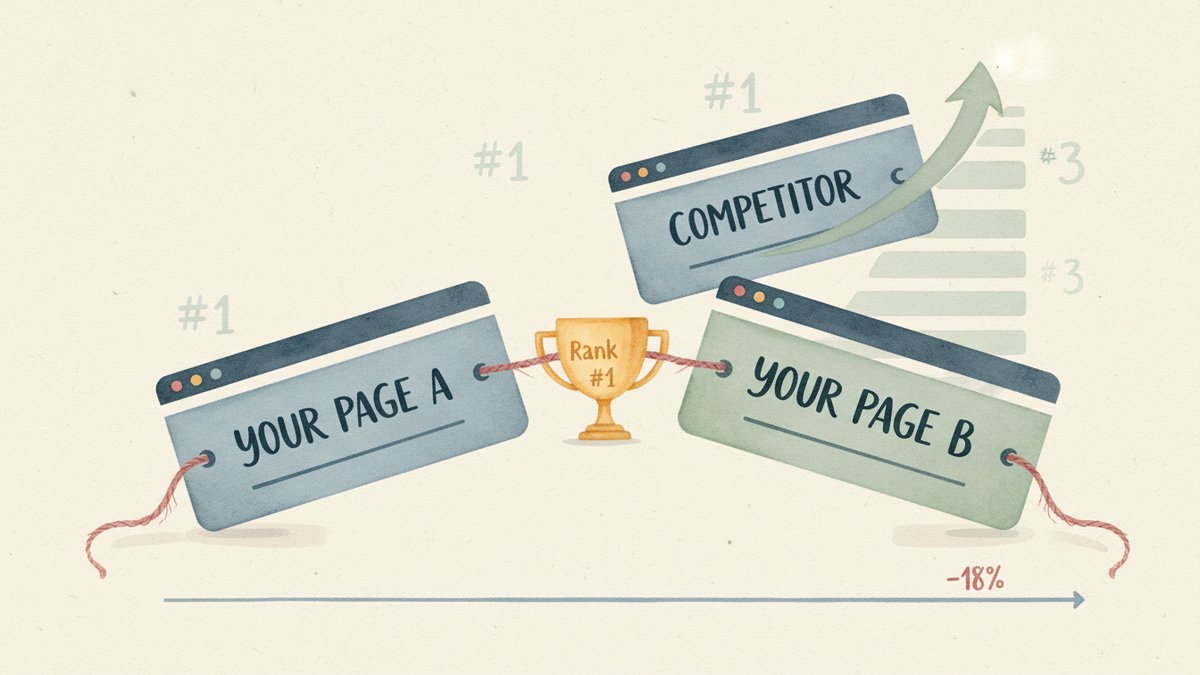
A 4-step workflow to use Google Search Console plus ChatGPT to spot pages that are cannibalizing each other, decide which to consolidate, redirect, or differentiate — before rankings slide.
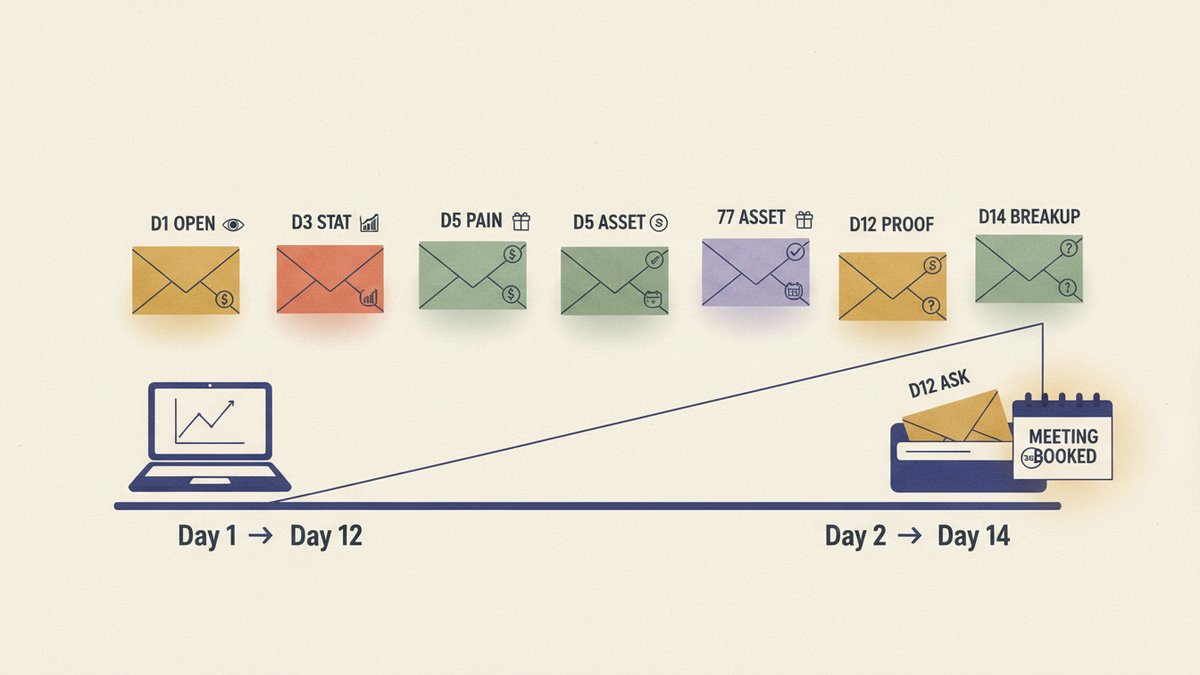
A practical 20-minute workflow to draft, prompt, and edit a 7-email B2B cold outreach sequence in Claude — with the actual subject lines, send days, and body copy you can adapt.
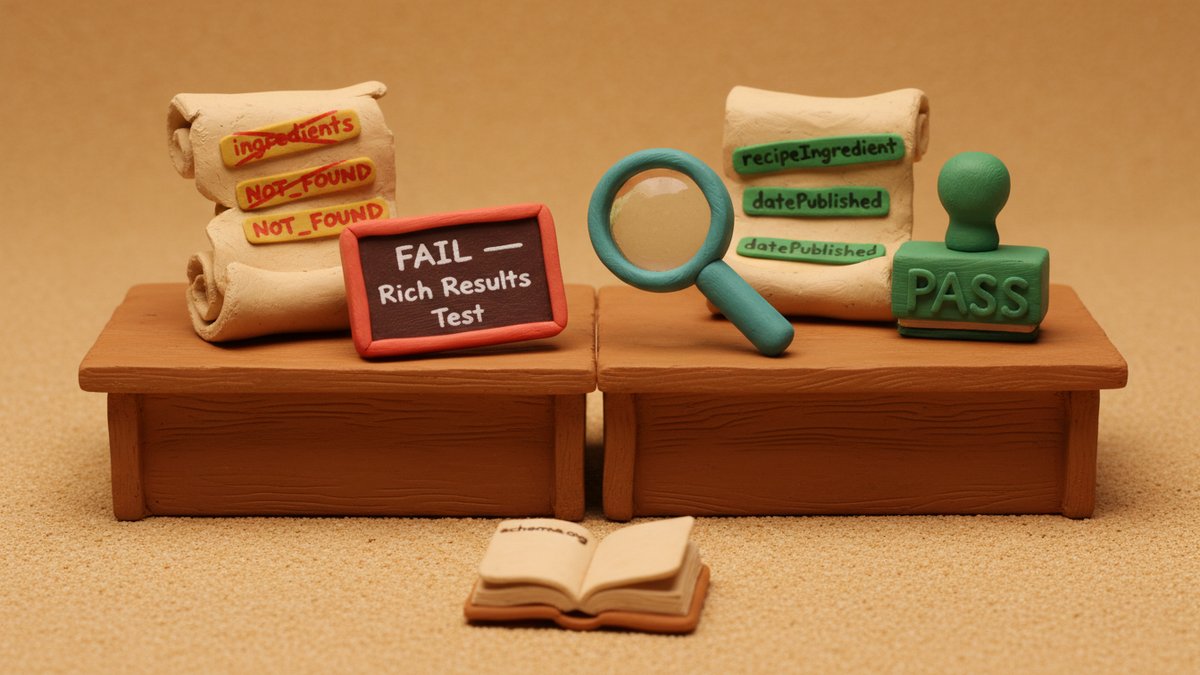
Why naive prompts produce JSON-LD that fails Google's validator, and the prompt structure plus validation loop that ships schema clean on the first or second pass.
The exact 4-part prompt I use to draft a press release journalists don't delete in 3 seconds — covering the 5 Ws, inverted pyramid, anti-hype rules, and the editor pass that turns AI output into a real pitch.