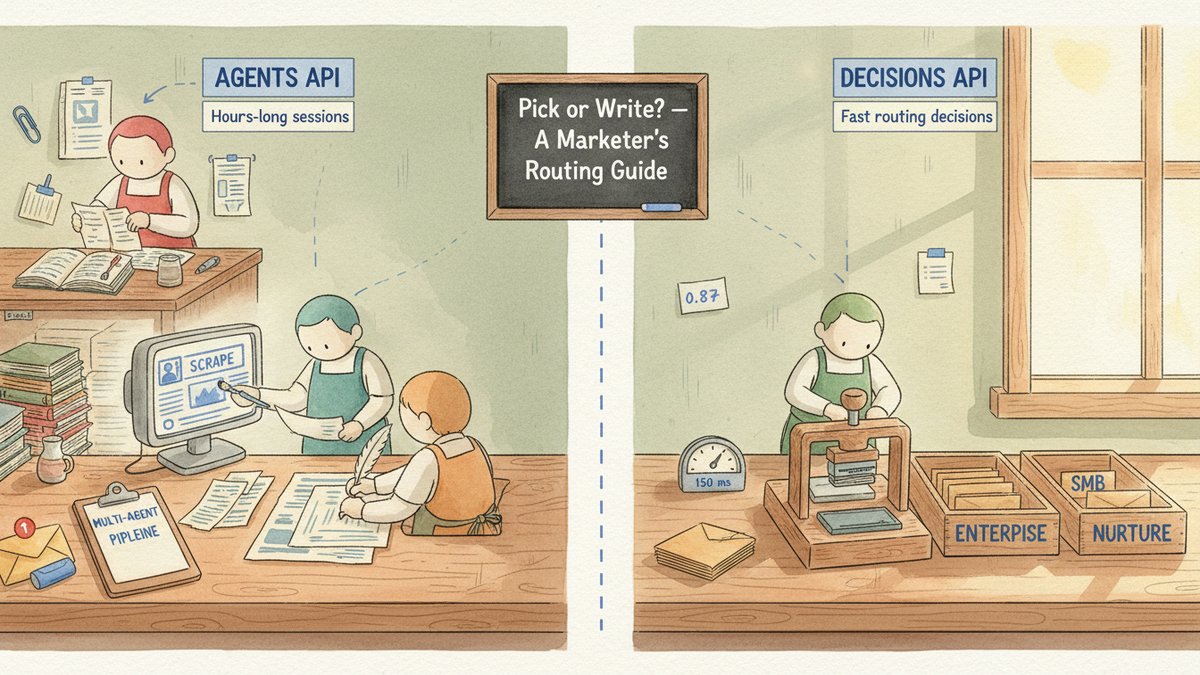
Two OpenAI APIs shipped three weeks apart solve very different problems. A marketer's read on what each one actually does, where each one earns a slot in a real automation stack, and the routing principle that picks between them.
Dots launched at DevDay on Sept 29 2026 as OpenAI's answer to Meta Muse — a persistent, GPT-6 Astra-powered agent with its own cloud computer. Here's the first-week practitioner read: the 5 marketing jobs I'd hand it, the 3 I wouldn't, and where it sits against the Claude/Gemini/Muse agents already in my stack.
Anthropic shipped Sonnet 5.5 on September 28, 2026 — same $2/$10 as Sonnet 5, same 1M context, 30%+ faster, up to 30% cheaper per task, and on GDPval-AA it sits two Elo points under Opus 5.5. Five jobs Sonnet 5.5 already replaced in its first day on real marketing work, three where Opus 5.5 or Sonnet 5 still wins, and the routing principle that matters now that the Sonnet tier can carry real marketing work.
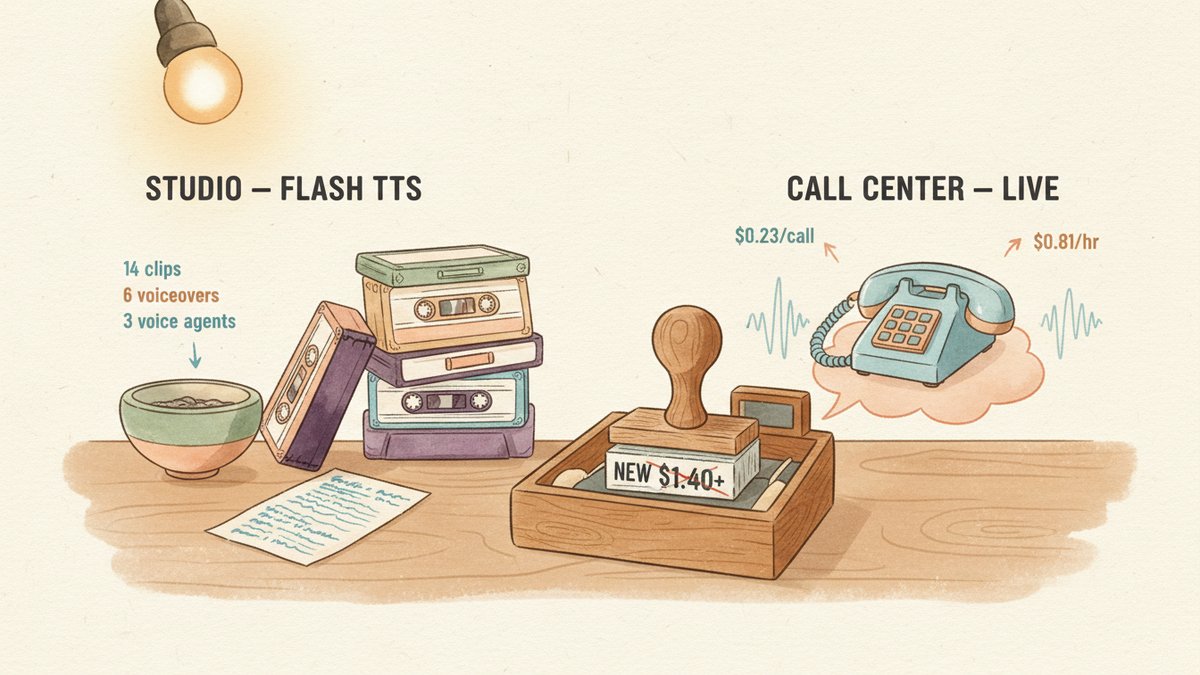
Google shipped Gemini 3.8 Live on September 15 and Gemini 3.8 Flash TTS on September 23, 2026 — together, they rewrite the cost curve for marketing audio. A 10-minute Live voice call runs about $0.23; an hour of Flash TTS voiceover runs about $0.81. A week in production: 14 podcast clips, 6 ad voiceovers, 3 landing-page voice agents, and a brand-voice NotebookLM Audio Overview for $1.40 total. Five jobs the combo earns in a marketer's stack, three to keep elsewhere, and one routing principle that holds.
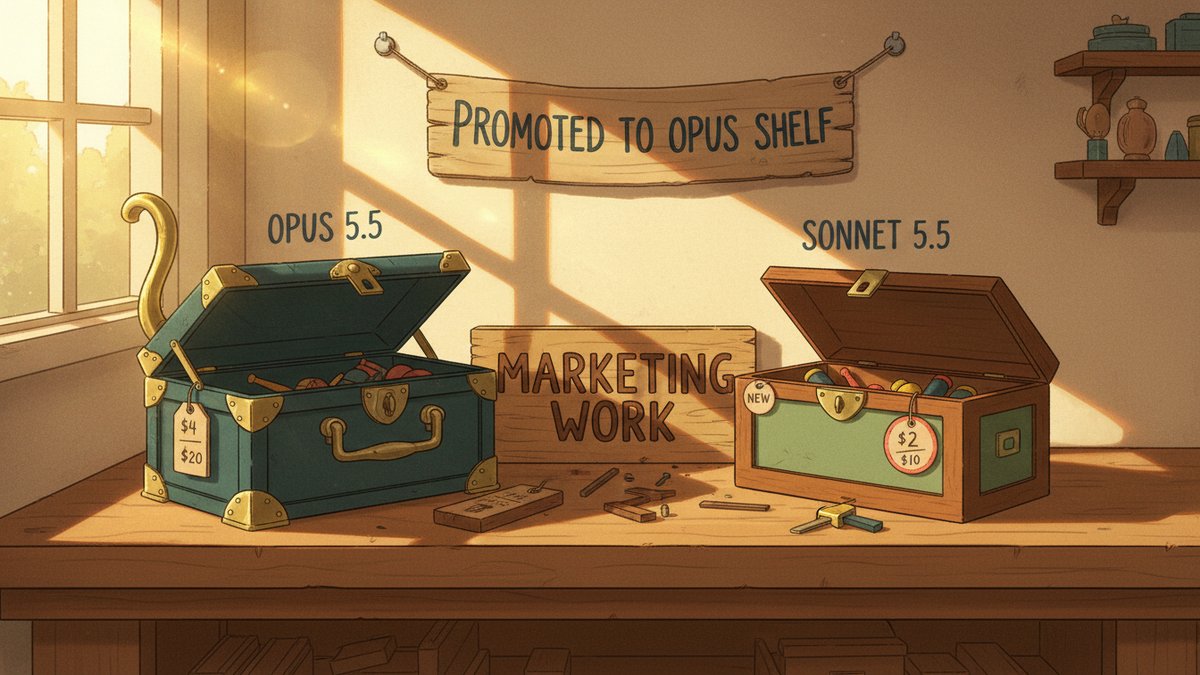
Anthropic shipped Opus 5.5 on September 22, 2026 — same 1M context as [Opus 5](/posts/claude-opus-5-marketers/) and [Fable 5.1](/posts/claude-fable-5-1-marketers/), but $4/$20 instead of $5/$25, cache reads cut 60% to $0.20, and a writing-style fix that actually lands. The number that matters for marketers isn't a benchmark — it's that 60% cache-read cut. Four jobs Opus 5.5 earns from Opus 5 this week, three where Fable 5.1 or Opus 5 still wins, one routing principle that holds, and the four breaking API changes you need to patch before Monday.
OpenAI shipped GPT-6 Sol and GPT-6 Luna on September 22, 2026 — three weeks after GPT-6 Astra, at half the per-token price of GPT-5.6 Sol and Luna. Sol ($2/$10) is the workhorse, Luna ($0.10/$0.50) is the budget engine, and Terra is gone. Five jobs to give Sol, three to keep on Astra or peers, and the routing principle that falls out once you stop chasing the flagship.
Jev is a System One Model that returns typed decisions with calibrated probabilities — no text, no parsing, $0.042/MTok input, output free, 70–500ms latency. Here's the routing layer every marketing pipeline was missing, plus the caveats the launch post didn't lead with.
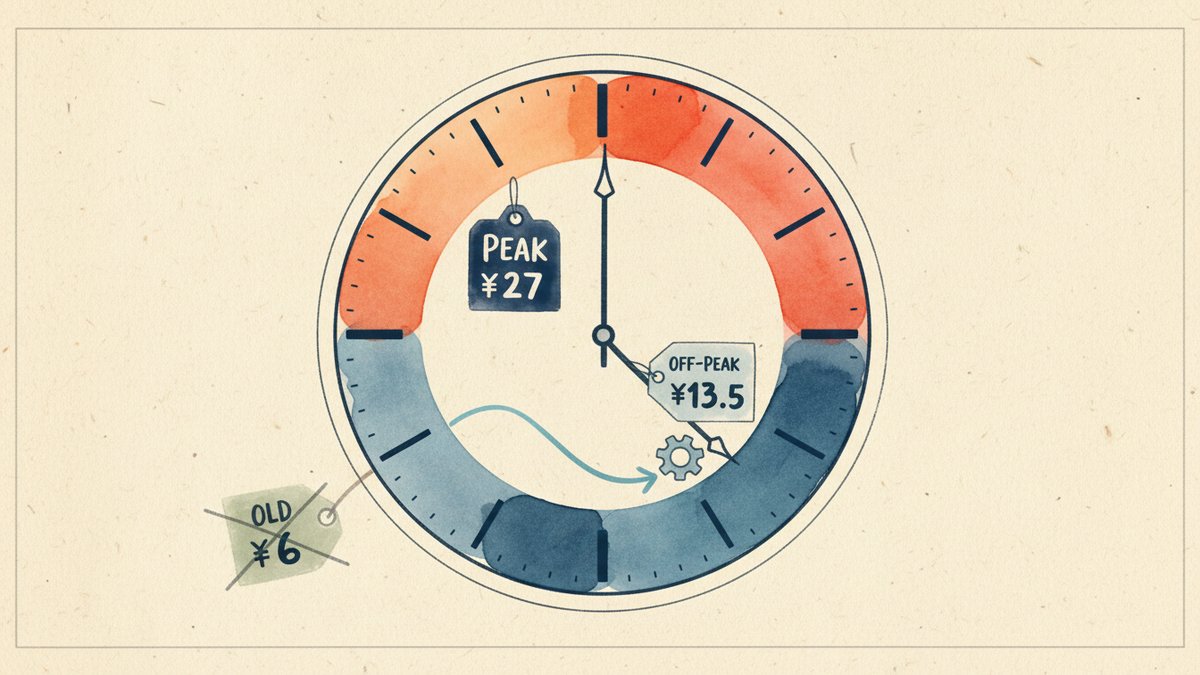
DeepSeek shipped V4.1 Flash on Sep 10 with an unusual Causal Encoder-Decoder architecture and a $0.003/M off-peak cache-hit rate — about a tenth of what V4 Flash charged. The model has also absorbed V4 Pro's traffic from Sep 14. A working marketer's first-week take on what to hand it, what to keep on Opus 5 or the frontier tier, and where V4.1 Flash sits in the cache-heavy background stack.
Anthropic's Fable 5.1 shipped September 1 with the same $10/$50 sticker as GPT-6 Astra but a 75% cache-read cut and flat pricing across the full 1M window. That changes which agent loops become viable: persistent brand-context documents can stay open across hundreds of turns. Four jobs to give it, two to keep on Opus 5, and three API breaking changes marketers need to patch this week.
GPT-6 "Astra" landed September 3 at $10/$50 per 1M tokens with 1.05M context and 0% out-of-scope safety hits. The headline is Computer Use — a model that clicks through HubSpot, builds spreadsheets, and pulls competitor PDFs into structured tables. Five jobs worth routing to it, three to keep on Sol or Opus 5, and the routing principle that fits both.
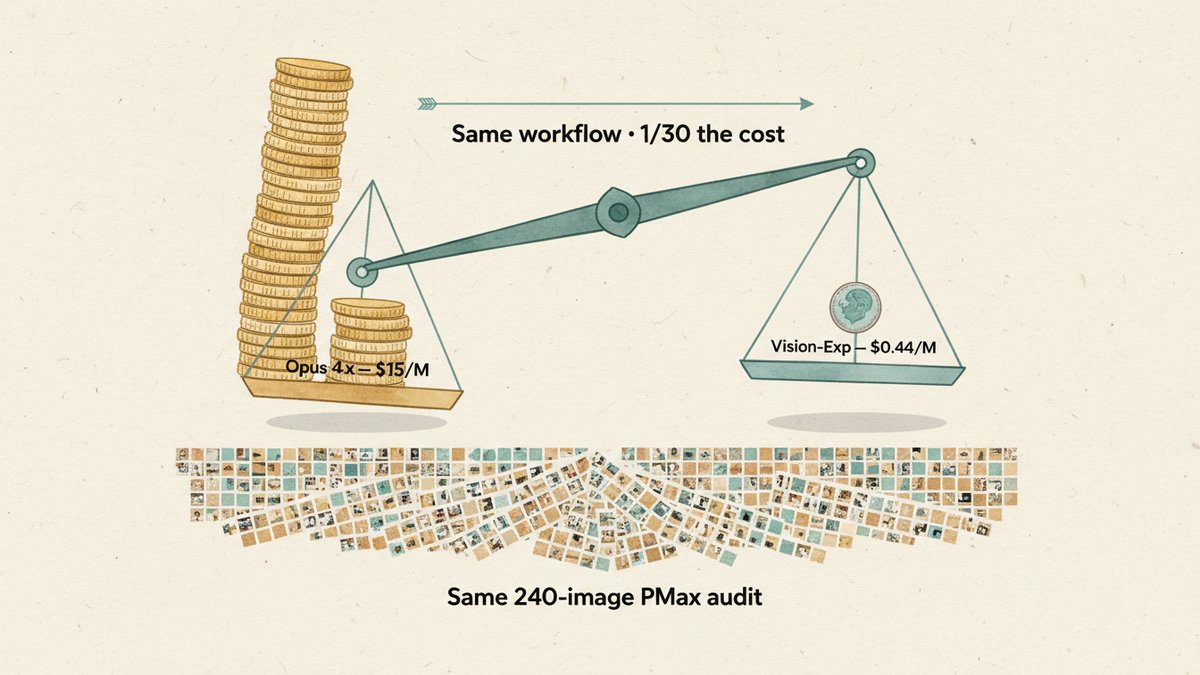
DeepSeek shipped V4-Flash-Vision-Exp on Aug 21 — the V4 family's first native vision endpoint, at the same Flash-tier pricing as the text model. A working marketer's first-day take on what to hand it, what to keep on Opus, and what to watch out for while it's still experimental.