On August 15, Pliny the Liberator pushed 391,439 characters of Z.ai's ZCode agent internals to CL4R1T4S. Marketers don't care about the leak — they care about what it proves about vendor risk, skill portability, and data hygiene. Here's the 3 shifts and 2 watch-items that fall out.
Jev is a System One Model that returns typed decisions with calibrated probabilities — no text, no parsing, $0.042/MTok input, output free, 70–500ms latency. Here's the routing layer every marketing pipeline was missing, plus the caveats the launch post didn't lead with.
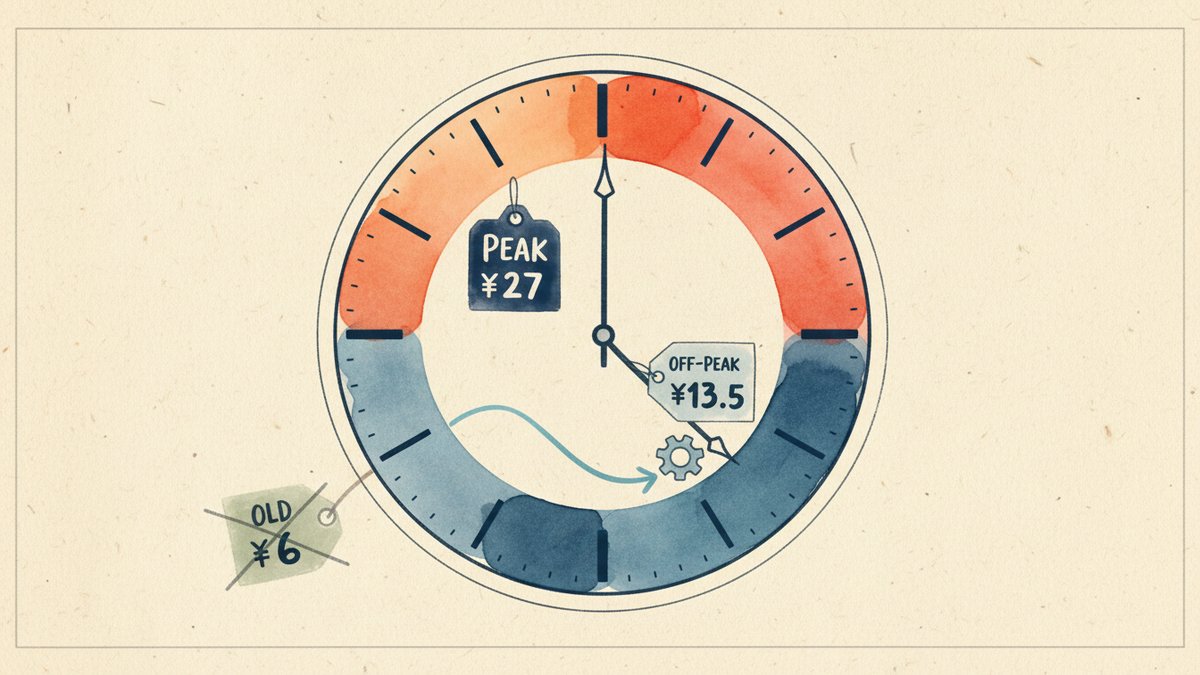
DeepSeek shipped V4.1 Flash on Sep 10 with an unusual Causal Encoder-Decoder architecture and a $0.003/M off-peak cache-hit rate — about a tenth of what V4 Flash charged. The model has also absorbed V4 Pro's traffic from Sep 14. A working marketer's first-week take on what to hand it, what to keep on Opus 5 or the frontier tier, and where V4.1 Flash sits in the cache-heavy background stack.
OpenAI shipped GPT Image 2.5 on September 8 with two API variants — Flare (speed, default) and Sunburst (precision) — at the same price as 2.0 ($5 text / $8 image in, $30 image out per 1M tokens), with up to 50% lower latency. The marketing-relevant upgrade isn't raw image quality; it's that the model finally respects what you asked it to leave alone. Five jobs worth rerouting, three to keep on Nano Banana 2, Midjourney V8, or Seedream 5.0 Pro, and the one sentence that captures the split.
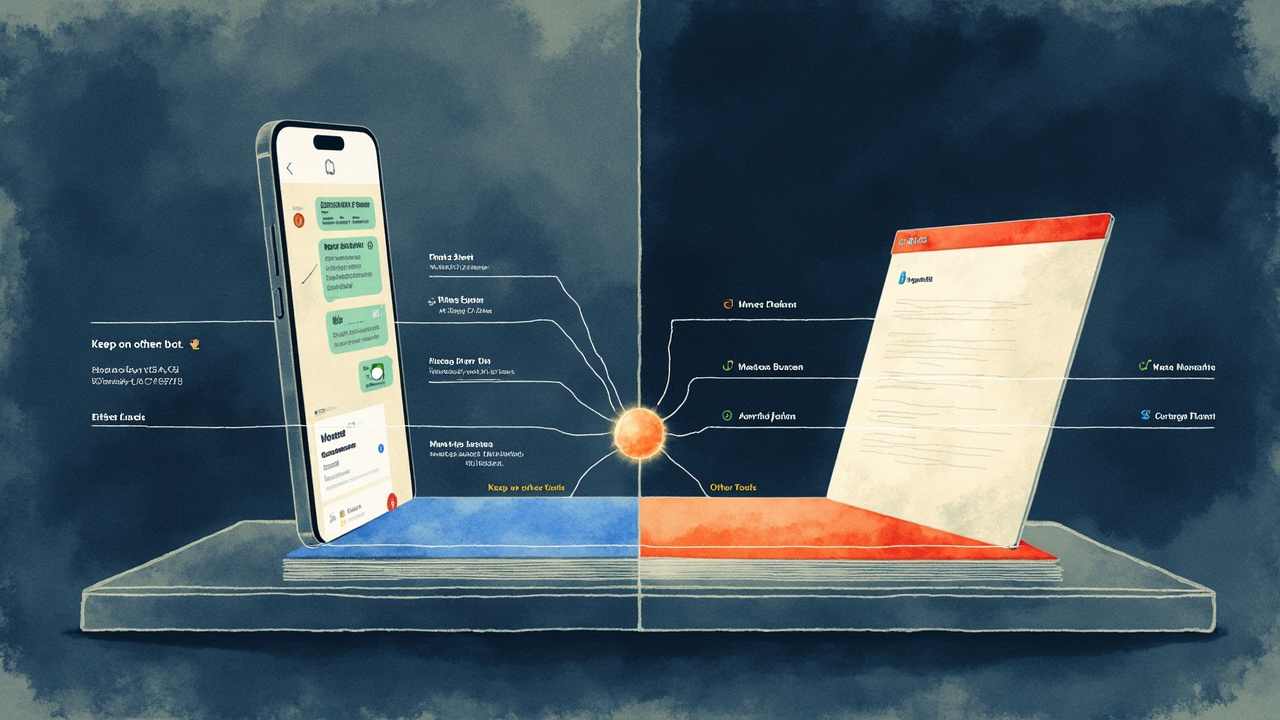
Meta launched Muse Agent on September 8, 2026 — a personal AI agent that lives inside WhatsApp, Instagram DM, and the Meta AI glasses, and runs in a dedicated 'Secure VM' on top of the Muse Spark model. Marketers didn't get a launch deck; they got a new default inside the surfaces they already pay to reach customers on. Here's the routing principle for which marketing jobs to give it, which to keep on other tools, and what to watch this quarter.
Anthropic's Fable 5.1 shipped September 1 with the same $10/$50 sticker as GPT-6 Astra but a 75% cache-read cut and flat pricing across the full 1M window. That changes which agent loops become viable: persistent brand-context documents can stay open across hundreds of turns. Four jobs to give it, two to keep on Opus 5, and three API breaking changes marketers need to patch this week.
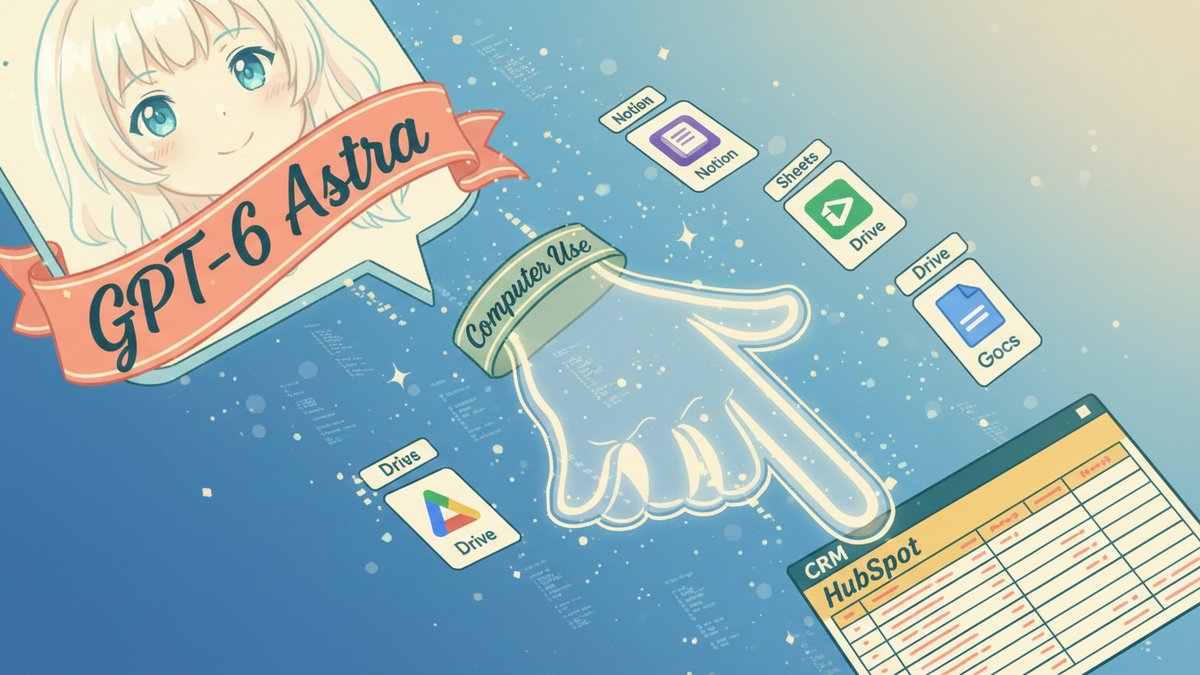
GPT-6 "Astra" landed September 3 at $10/$50 per 1M tokens with 1.05M context and 0% out-of-scope safety hits. The headline is Computer Use — a model that clicks through HubSpot, builds spreadsheets, and pulls competitor PDFs into structured tables. Five jobs worth routing to it, three to keep on Sol or Opus 5, and the routing principle that fits both.
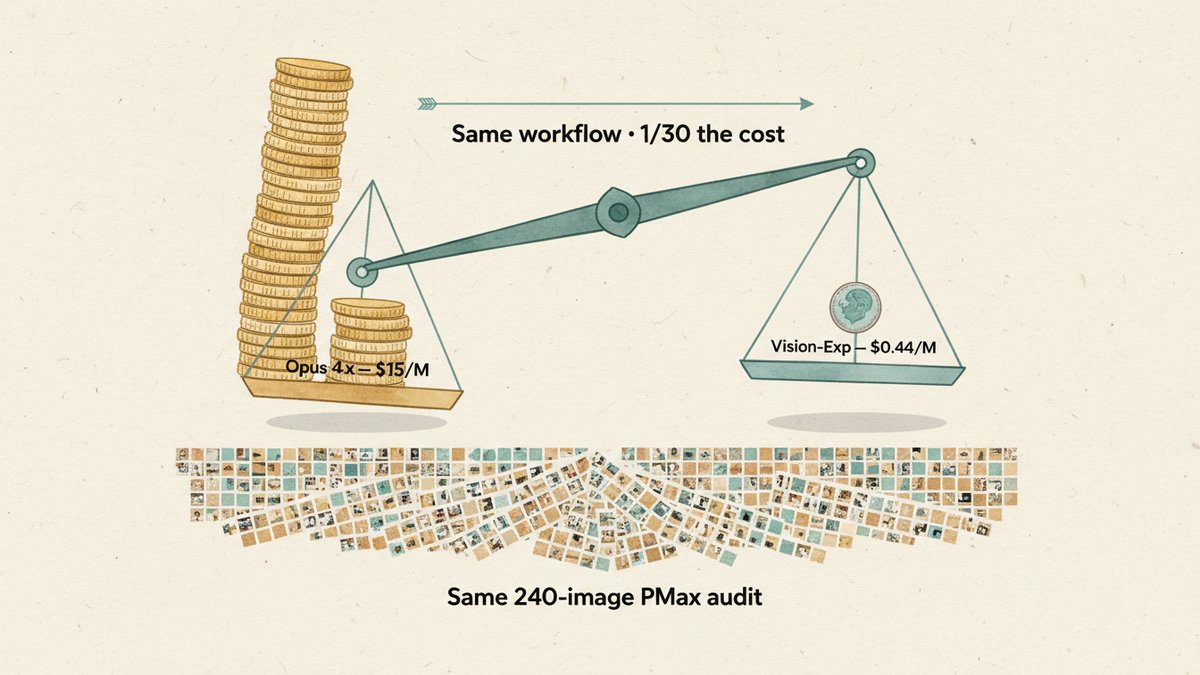
DeepSeek shipped V4-Flash-Vision-Exp on Aug 21 — the V4 family's first native vision endpoint, at the same Flash-tier pricing as the text model. A working marketer's first-day take on what to hand it, what to keep on Opus, and what to watch out for while it's still experimental.
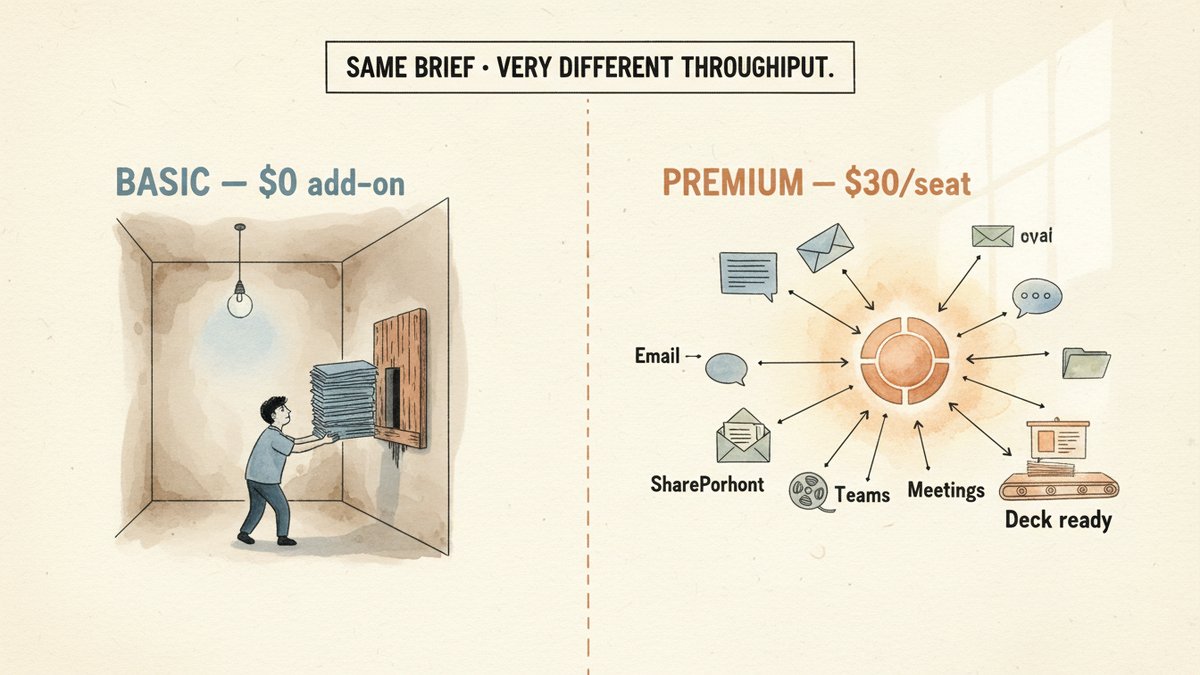
A working marketer's read on the gap between Basic and Premium Copilot — the four agent-powered jobs only Premium unlocks, the real all-in seat cost (not the headline $30), and who on a marketing team should actually pay the upgrade.
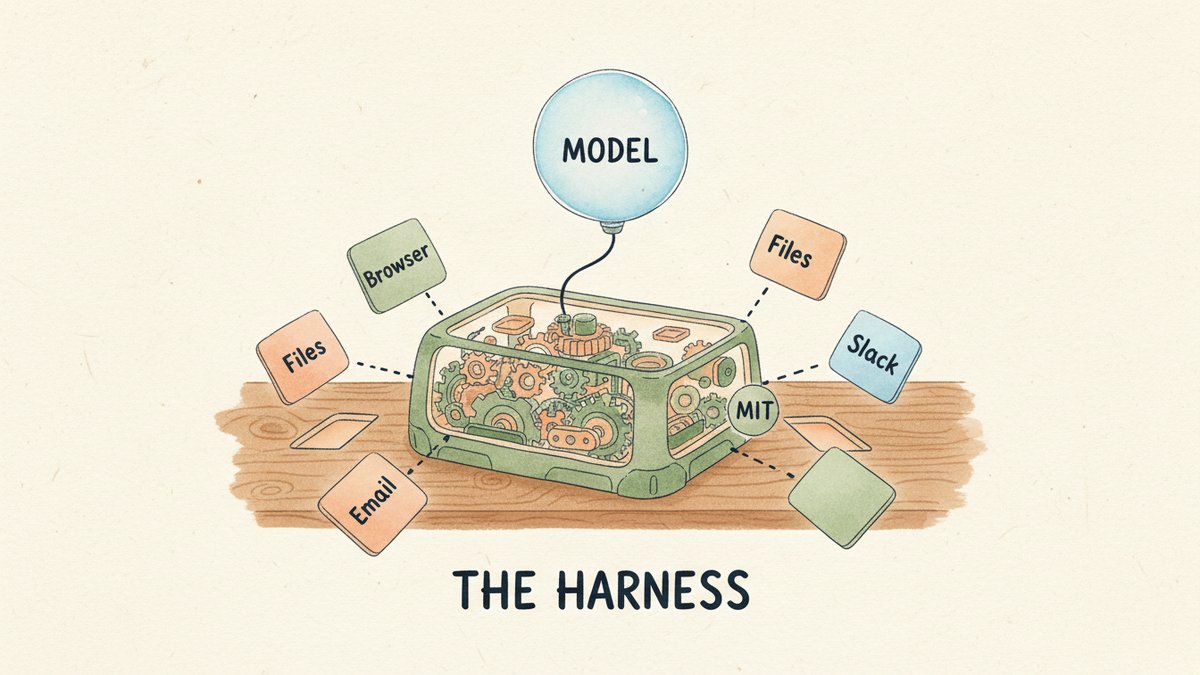
DeepSeek's first open-source Agent product — MIT license, Cordis plugin architecture, four runtime modes — landed August 13 with 50K stars in 24 hours. What it means for marketers, the two reasons to wait, and where it sits next to OpenClaw, Lindy, and ChatGPT Work.
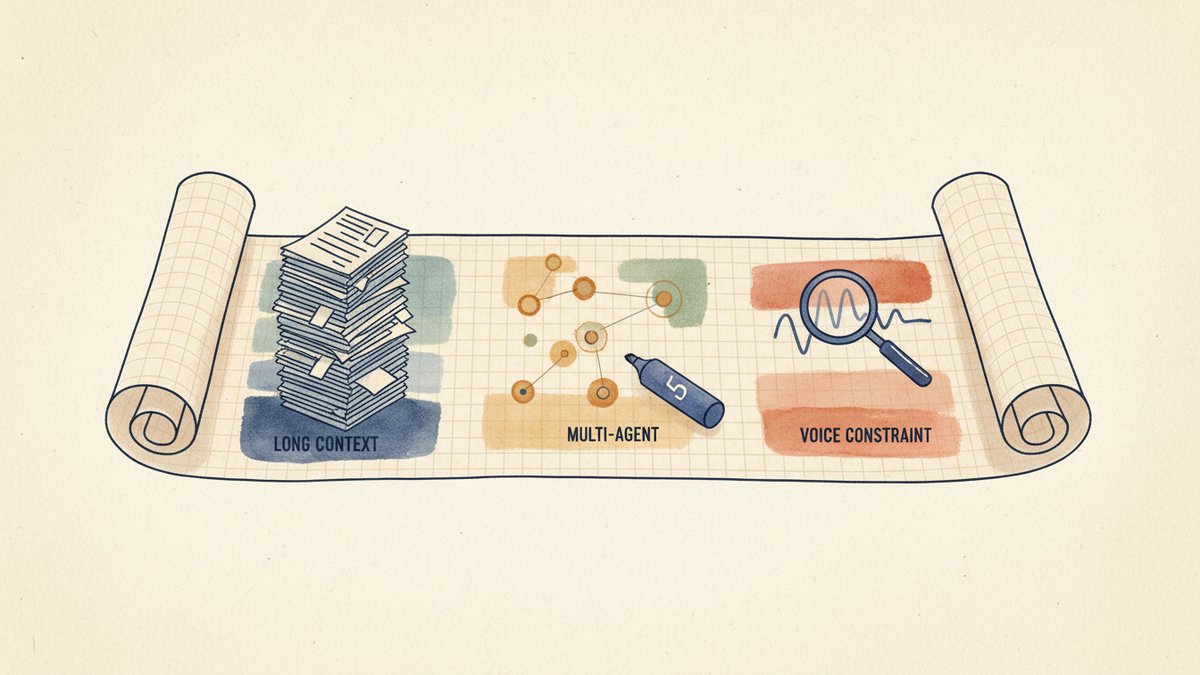
Anthropic shipped Opus 5 on July 25, 2026. Here's how it actually performs on the marketing jobs I run daily — long-context research, multi-agent orchestration, complex content — and the three situations where Opus 4.8 is still the smarter spend.