Anthropic's Fable 5.1 shipped September 1 with the same $10/$50 sticker as GPT-6 Astra but a 75% cache-read cut and flat pricing across the full 1M window. That changes which agent loops become viable: persistent brand-context documents can stay open across hundreds of turns. Four jobs to give it, two to keep on Opus 5, and three API breaking changes marketers need to patch this week.
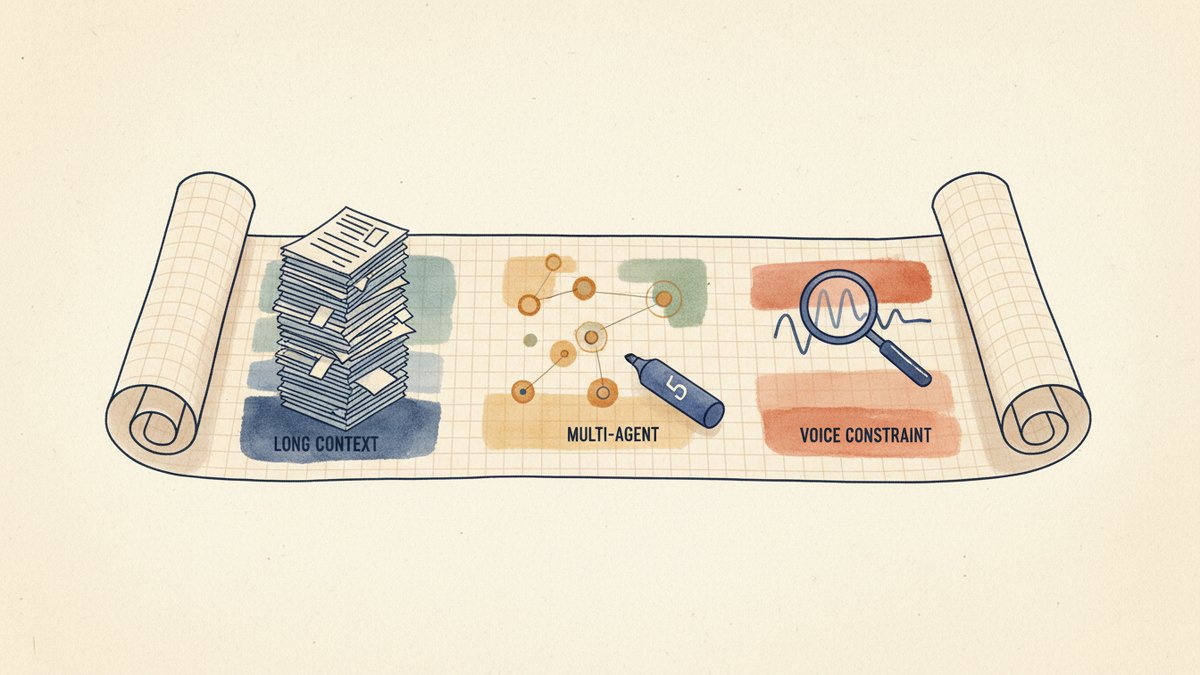
Anthropic shipped Opus 5 on July 25, 2026. Here's how it actually performs on the marketing jobs I run daily — long-context research, multi-agent orchestration, complex content — and the three situations where Opus 4.8 is still the smarter spend.
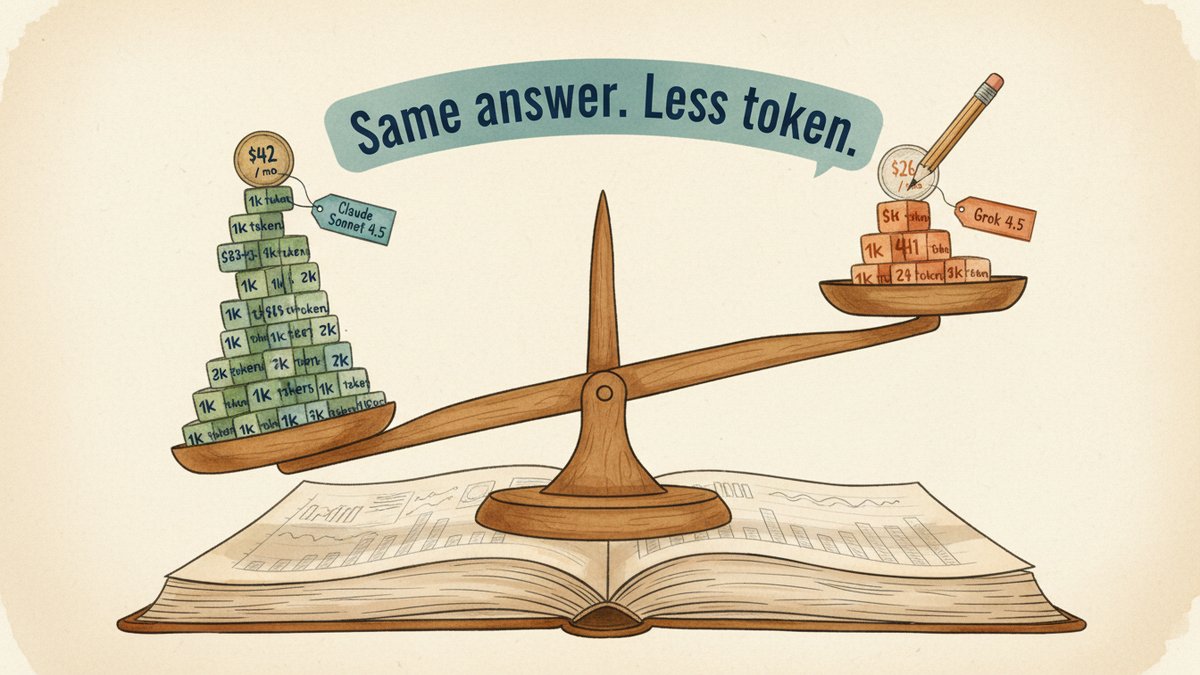
xAI shipped Grok 4.5 on July 9, 2026 at $2/$6 per million tokens, claiming Opus-class quality and roughly half the tokens of comparable models. After running it through a week of marketing pipelines, here's the cost math that actually matters, 5 jobs where I'd reach for it, and 3 where I'd skip it.
Anthropic's first public Mythos-class model is fast, opinionated, and 2× the price of Opus 4.8. After a week of running real marketing jobs through it, here's the actual breakdown — capabilities, costs, the 30-day data retention rule that affects agencies, and the marketer use cases where Fable 5 actually wins.
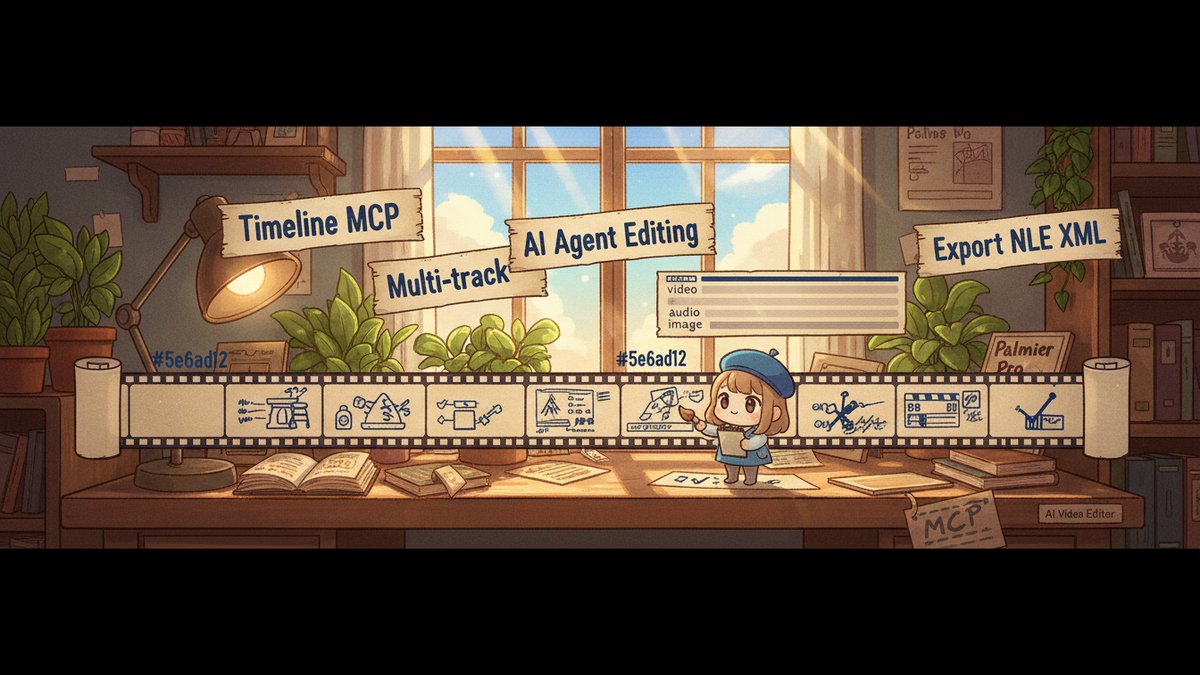
Palmier Pro is a Y Combinator-backed video editor that puts Claude, Codex, and Cursor directly inside your timeline via MCP, with inline integrations to Kling V3, Seedance 2.0, Veo 3.1, and Grok Imagine. From $29/month, with a free editor-only tier.
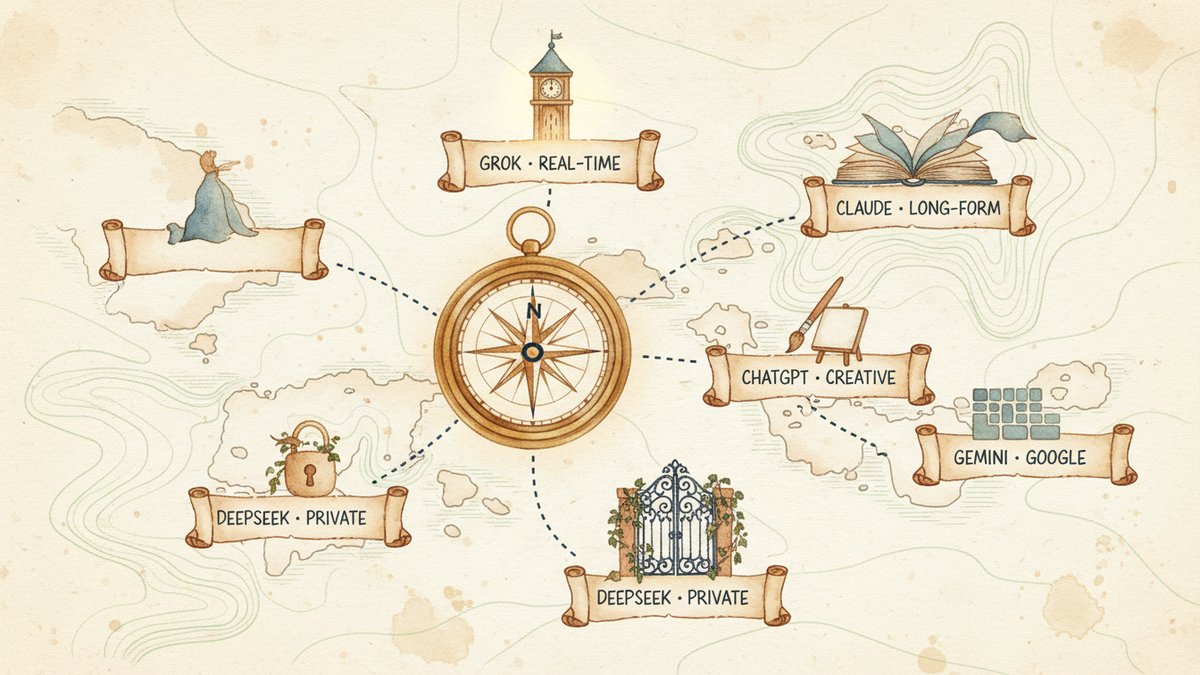
Five frontier models, five different superpowers. After running them side by side on real campaigns for six months, here's which one I open for which marketing job — and the brand-safety landmine that makes Grok-Imagine unusable for most brands.
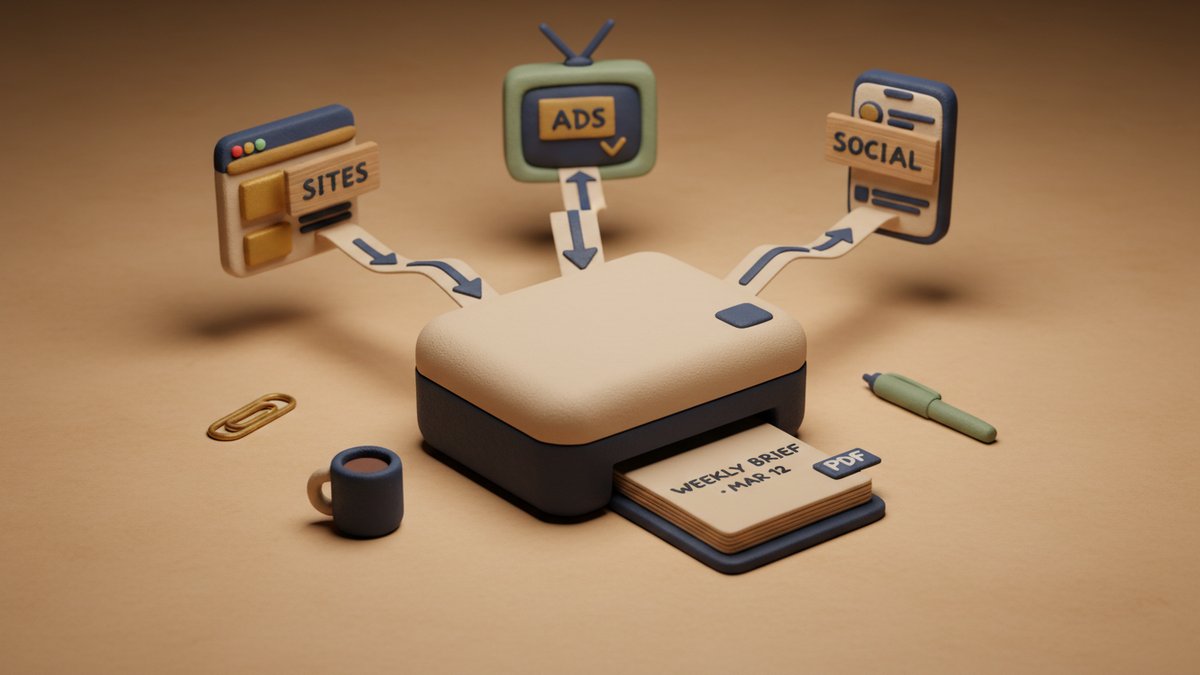
A 3-sub-agent competitive intel pipeline that produces an 8-page PDF brief every Friday at 6am — no human reads a single competitor page in between. The parent Claude agent dispatches a site-watcher, an ad-watcher, and a social-watcher, each returns a strict JSON schema, the parent synthesizes everything into a Markdown brief that Pandoc renders to PDF. The parent prompt, the three JSON contracts, the PDF template, and the failure modes that have actually cost me a brief.
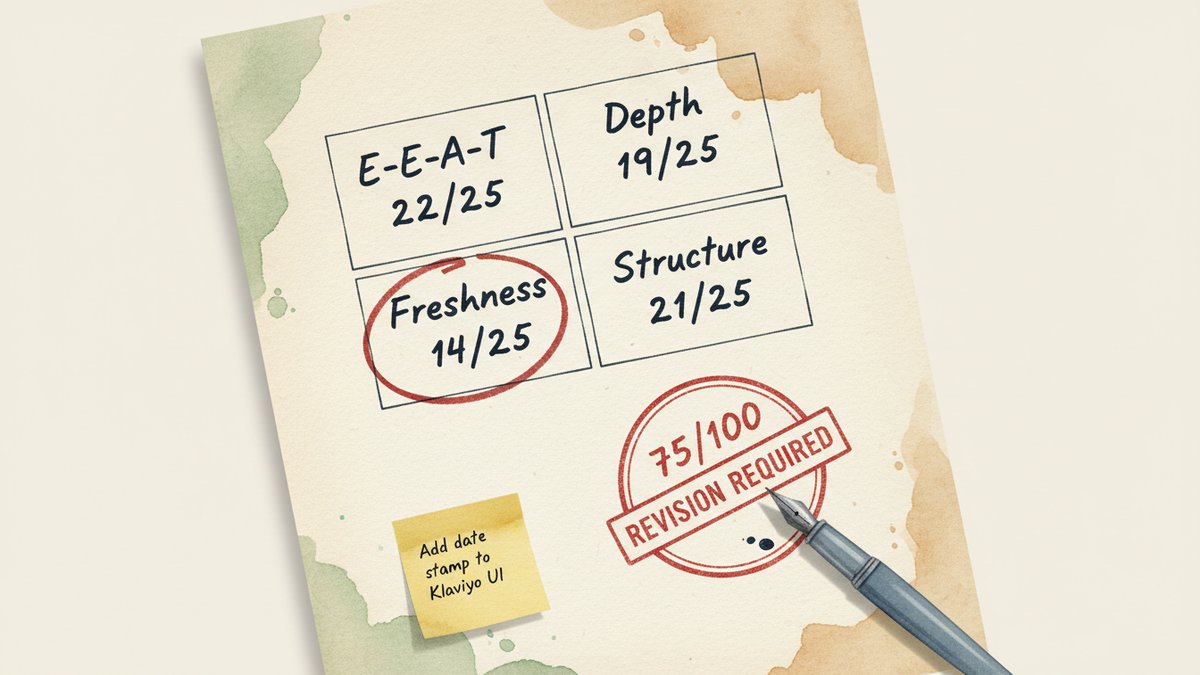
A 0-100 pre-publish scorecard that scores any post on E-E-A-T, Depth, Freshness, and Structure (25 each), with a single Claude prompt that does all four in one pass plus a remediation list. The 75/100 + no-dimension-below-16 publish gate, the batch-of-10 audit workflow, and the hard reason a rubric beats vibes-based editing when you have 200+ posts and staff turnover.
Most LinkedIn polls are engagement bait — votes roll in, authority stays at zero. The fix: 20 polls across 4 categories that surface buyer signals, validate positioning, and feed next month's content. Pricing anchors, stack discovery, painpoint priority, belief tests — plus the Claude prompt and the 2-week rule I never break.
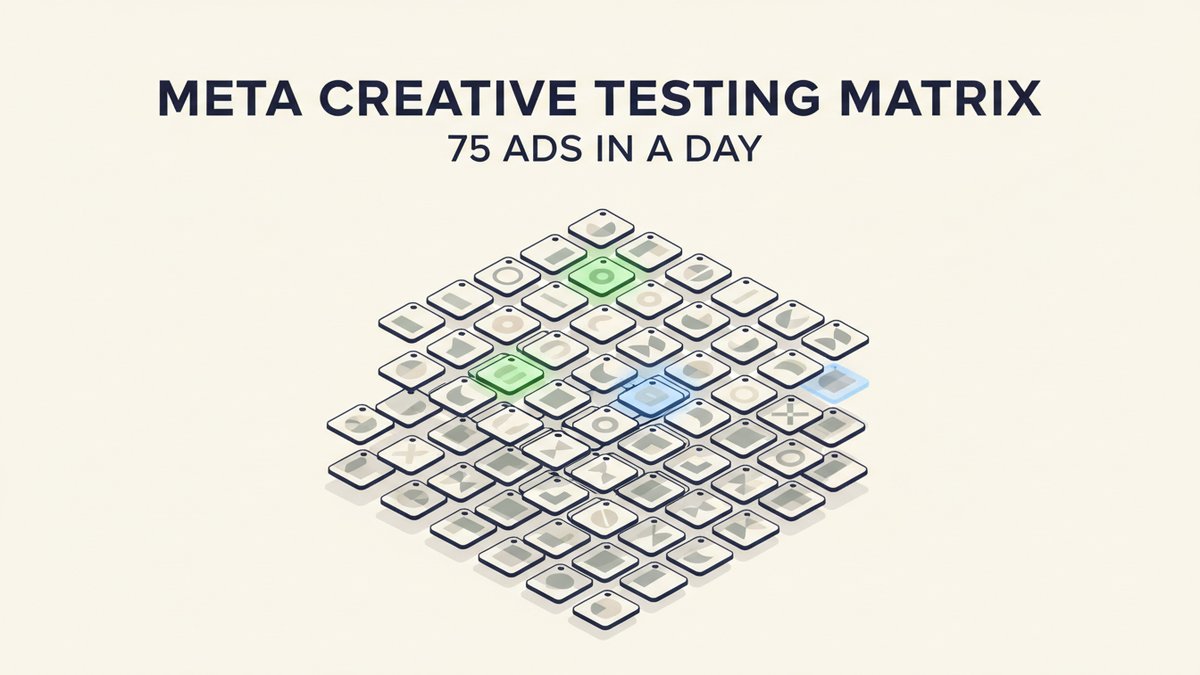
A time-blocked 6-hour workflow that builds 75 fully-formed Meta ads in a single day — 3 hooks, 5 visuals, 5 CTAs — uploads them as one Advantage+ campaign, and lets Meta's algorithm kill 60-65 of them in 72 hours so you can read the winners in one week instead of one quarter.
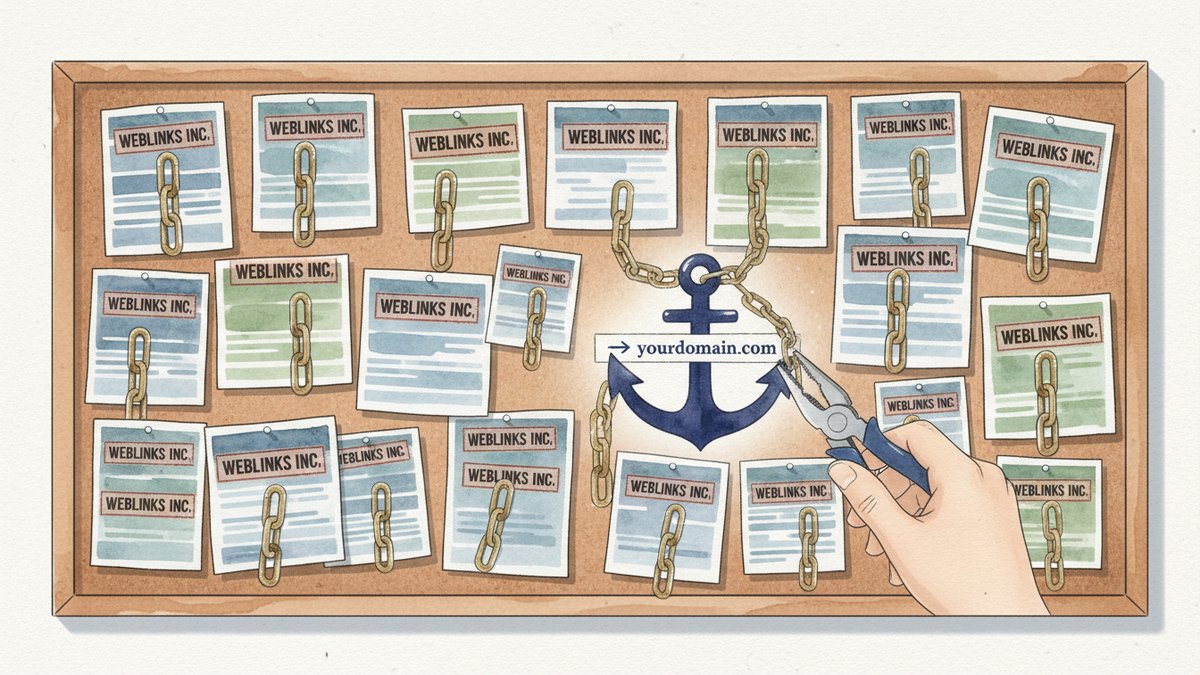
Hundreds of sites already mention your brand by name. Almost none of them link to you. I pull 200 unlinked mentions a week from Ahrefs Content Explorer, let Claude triage + draft a personalized 3-sentence email for each, and ship 40 new backlinks a month without writing a single new piece of content.
A single-subreddit Claude agent that reads EVERY new post in r/YourNiche, scores it on a DM-worthiness rubric (intent weighted 2x, threshold 24), and emails 1-3 a day worth a personal DM — with the rubric, the workflow, the etiquette rules that keep your account from being shadowbanned, and a case study: an SEO consultant ran this 90 days, sent 180 DMs at a 38% reply rate, closed 6 engagements at $4k-$12k for $46k of pipeline on a $14/month stack.